








Hyundai Bayon design has been teased, revealing exciting details about its front and interior aesthetics. This new model promises to attract attention with its modern features.
Overview of Hyundai Bayon
The Hyundai Bayon is making waves in the automotive world with its striking design and innovative features. With a focus on urban lifestyle, the Bayon offers a fresh take on compact SUV design.
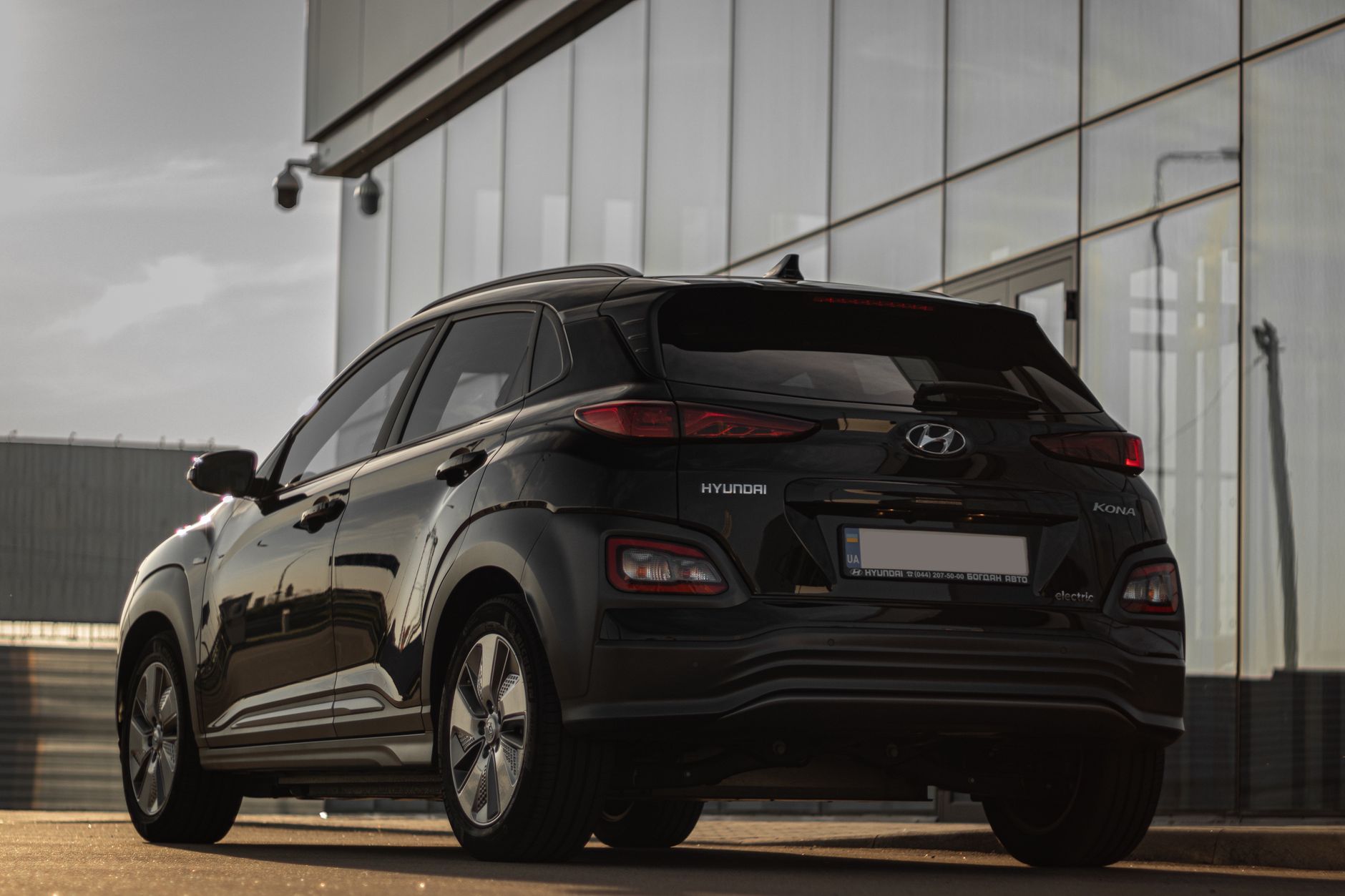
One of the standout aspects of the Hyundai Bayon design is its sleek and modern exterior. The front fascia showcases a bold grille, flanked by sharp headlamps that add to its dynamic stance. This attention to detail is complemented by sculpted side panels and an athletic rear, creating an overall impression of sophistication.
Inside, the Bayon continues to impress with a thoughtfully designed interior that prioritizes comfort and functionality. The cabin features a spacious layout, with high-quality materials and intuitive technology seamlessly integrated throughout. Highlights include:
- Large touchscreen display: An easy-to-use interface for navigation and entertainment.
- Comfortable seating: Designed for long journeys, providing ample support and room.
- Smart storage solutions: Clever compartments that maximize utility.
Overall, the Hyundai Bayon design represents a perfect blend of style and practicality, making it a contender for the best interior reveal yet.
Exterior design features
The exterior design features of the Hyundai Bayon are both striking and functional, making it a standout in the compact SUV segment. With a bold front fascia, the Bayon incorporates sleek LED headlights that enhance its modern look while providing excellent visibility.
Its dynamic lines and sculpted body create an athletic stance, which is complemented by a distinctive rear design. Key highlights include:
- Bold Grille: The prominent grille adds an element of sophistication and is a signature feature of the Hyundai brand.
- Rugged Wheel Arches: These give the Bayon a robust appearance, ready for urban adventures.
- Sporty Roofline: The sloping roofline not only contributes to the vehicle’s aerodynamics but also enhances its sporty profile.
- Color Options: The Bayon offers a range of vibrant colors, allowing buyers to personalize their vehicle.
Overall, the Hyundai Bayon design embodies a contemporary aesthetic that appeals to a younger audience, ensuring it stands out on the road.
Interior design highlights
The interior design highlights of the Hyundai Bayon are garnering significant attention, showcasing a blend of modern aesthetics and practicality. This latest model emphasizes a driver-centric layout that enhances usability while maintaining a stylish appeal.
Key features of the interior include:
- Ergonomic Seating: The Bayon offers supportive seats that provide comfort during long journeys, complemented by high-quality materials.
- Advanced Infotainment System: A large touch screen display is seamlessly integrated into the dashboard, allowing for easy access to navigation, media, and connectivity options.
- Ambient Lighting: Customizable ambient lighting options create a welcoming atmosphere, enhancing the overall driving experience.
- Spacious Cabin: Despite its compact size, the Bayon maximizes interior space, ensuring ample legroom and storage for passengers and their belongings.
Overall, the Hyundai Bayon design reflects a thoughtful approach to comfort and functionality, making it a strong contender in the subcompact SUV segment. Will this innovative interior feature make the Bayon the best interior reveal yet? Only time will tell.
Comparison with competitors
The Hyundai Bayon design has certainly made waves in the subcompact SUV market, but how does it stack up against its competitors? In recent comparisons, several features set the Bayon apart, particularly in terms of interior quality and technology integration.
Many rival models struggle to match the Bayon’s blend of aesthetics and functionality. Notably, the following competitors are often discussed:
- Ford Puma: While it offers a sporty look, its interior can feel more utilitarian and lacks the premium materials found in the Bayon.
- Peugeot 2008: Known for its stylish design, the 2008 falls short in rear space and cargo capacity compared to the Bayon.
- Renault Captur: The Captur has a unique exterior but is criticized for its complex infotainment system, whereas the Bayon provides a more user-friendly experience.
Ultimately, the Hyundai Bayon design emerges as a strong contender in this segment, offering an appealing balance of style, comfort, and tech-savvy features that many drivers crave.
Expert opinions on styling
Experts have weighed in on the Hyundai Bayon design, highlighting its innovative approach to interior styling. Many automotive critics appreciate how the Bayon balances modern aesthetics with practical functionality. According to several reviewers, the interior offers a refreshing take on compact SUV design.
- “The Bayon’s interior is not just about looks; it’s about creating a space that feels inviting and intuitive,” says auto journalist Lisa Tran.
- “Hyundai has successfully combined smart technology with a comfortable layout, ensuring that drivers and passengers feel at home,” remarks industry analyst Mark Hughes.
- “The use of quality materials and thoughtful design elements elevate the overall experience,” notes car critic Sam Patel.
Some experts even suggest that the Bayon sets a new standard for interior design in its segment, making it a worthy contender against established rivals. With its sleek lines and user-friendly technology, the Hyundai Bayon design could very well be the best interior reveal yet, according to early assessments from the automotive community.
Future expectations for Hyundai
As the automotive industry continues to evolve, expectations for the Hyundai Bayon design are on the rise. With its impressive reveal, enthusiasts and experts alike are eager to see how Hyundai will build on this foundation in future models.
One area where future iterations may excel is technology integration. Hyundai has consistently pushed the envelope with innovative features, and the Bayon design sets a precedent for advancements such as enhanced connectivity and user-friendly interfaces.
Moreover, sustainability is becoming increasingly important in vehicle design. Future models could incorporate eco-friendly materials and energy-efficient technologies, aligning with global trends towards greener transportation.
In addition, Hyundai is expected to focus on customization options to cater to a diverse range of consumers. Whether it’s through color choices, interior finishes, or tech packages, appealing to personal preferences could be a significant factor in the Bayon’s ongoing success.
Overall, the Hyundai Bayon design has set high expectations for what’s to come. As the market shifts, all eyes will be on Hyundai to see how they innovate and adapt in response to consumer demand.
Photo by tviysempai on Pexels