








Meat recall news highlights a significant issue as over 160,000 pounds of meat have been recalled due to a lack of inspection. This has raised serious concerns regarding food safety.
What Led to the Meat Recall?
The recent meat recall news has raised significant concerns among consumers and health officials alike. The U.S. Department of Agriculture (USDA) issued a warning regarding over 160,000 pounds of meat products that were recalled due to a critical lack of inspection. This alarming situation highlights the importance of rigorous safety standards in the meat industry.
According to USDA officials, the recall was prompted by the discovery that these meat products had not undergone the necessary safety inspections prior to distribution. This oversight poses a serious health risk, as uninspected meat can harbor harmful pathogens that lead to foodborne illnesses.
Key factors that contributed to this recall include:
- Failure to Inspect: The absence of proper inspection protocols.
- Traceability Issues: Difficulty in tracking the source of the contaminated meat.
- Consumer Safety: Heightened risk of illness among the public.
As the situation unfolds, consumers are urged to remain vigilant and check for any affected products in their homes.
Understanding USDA Risk Levels
The United States Department of Agriculture (USDA) categorizes food safety risks into several levels, with the highest risk level indicating a significant threat to public health. Understanding these levels is crucial for consumers, especially in light of recent meat recall news.
The USDA’s risk levels are defined as follows:
- High Risk: This level indicates that food may cause severe illness or death. A recall is issued immediately.
- Medium Risk: This level suggests potential illness but is typically less severe. Consumers are advised to check their products.
- Low Risk: This classification involves products that have minor issues that do not pose an immediate health threat.
In the current situation, over 160,000 pounds of meat have been recalled due to lack of inspection, receiving the highest risk level from the USDA. Consumers are urged to stay informed about such meat recall news to ensure their safety and avoid potential health hazards.
How to Stay Safe During Recalls
During meat recalls, it is crucial to stay informed and take necessary precautions to ensure your safety. Here are some essential steps you can take:
- Check Your Freezer: If you have purchased any meat products recently, check the labels for recall information. Look for the USDA establishment number and the product name.
- Stay Updated: Regularly visit the USDA website or subscribe to their alerts for the latest meat recall news. This will keep you informed about any potential risks associated with your food.
- Follow Cooking Guidelines: Ensure that you cook meat to the recommended internal temperatures to kill harmful bacteria, even if the meat is not part of a recall.
- Report Symptoms: If you suspect foodborne illness after consuming recalled products, report your symptoms to a healthcare provider and notify local health authorities.
By following these guidelines, you can minimize the risk to your health during meat recalls and ensure a safer dining experience.
Impact on Consumers and Retailers
The recent meat recall news has raised significant concerns among consumers and retailers alike. With over 160,000 pounds of meat recalled due to lack of inspection, the impact is being felt across the country.
For consumers, the immediate effect is a heightened sense of caution when purchasing meat products. Many are now checking labels more carefully and staying informed about which products have been affected. The USDA’s highest risk level warning has left consumers feeling uneasy about the safety of their food supply.
Retailers, on the other hand, are facing challenges in managing their inventory and reassuring customers. Some stores have temporarily removed certain meat products from their shelves, while others are implementing stricter inspection protocols to prevent future recalls. The financial implications for retailers could be severe, with potential loss of sales and damage to their reputation.
As the situation evolves, both consumers and retailers must remain vigilant and informed to navigate the ongoing challenges posed by the meat recall.
Steps to Take If You Have the Product
If you have purchased the recalled meat products, it is crucial to take immediate action to ensure your safety. Here are some steps to follow:
- Check Your Freezer and Refrigerator: Look for any meat products that might have been included in the recall. The USDA has published a list of affected items, which can be found on their official website.
- Do Not Consume: If you find recalled products, avoid consuming them. Even if the meat looks and smells fine, it may still pose a serious health risk.
- Return or Dispose: You should return the products to the store where you purchased them for a full refund, or dispose of them safely to prevent anyone else from consuming them.
- Stay Informed: Keep updated with the latest meat recall news and announcements from the USDA to ensure you are aware of any further developments.
By following these steps, you can help protect yourself and your loved ones during this serious meat recall situation.
History of Meat Recalls in the U.S.
The history of meat recalls in the U.S. reflects ongoing challenges in food safety and regulation. Over the years, various incidents have led to widespread recalls, highlighting the importance of stringent inspection processes.
Noteworthy recalls have included:
- 2008 Peanut Butter Recall: This incident involved contaminated peanut butter, resulting in multiple illnesses.
- 2015 Chipotle Outbreak: Linked to E. coli, this outbreak affected numerous customers and resulted in a significant drop in sales.
- 2019 Ground Beef Recall: Over 12 million pounds of beef were recalled due to potential contamination with E. coli.
These events emphasize the critical role of the USDA in monitoring meat safety and enforcing regulations. The recent meat recall news, involving over 160,000 pounds of meat due to a lack of inspection, serves as a reminder to consumers and retailers alike about the potential risks associated with meat products. Awareness and adherence to safety standards are essential in reducing the occurrence of such recalls in the future.
Public Response to the Recall
The recent meat recall news has sparked significant concern among consumers and health officials alike. Many individuals are expressing their worries on social media platforms, sharing personal anecdotes and seeking advice on how to handle the situation. The USDA’s classification of this recall as the highest risk level has only intensified public anxiety.
Local grocery stores have reported a surge in customer inquiries regarding the recalled products. Some shoppers have opted to avoid purchasing meat altogether until they receive more information. Community forums are abuzz with discussions about the safety of food products and the importance of regulatory oversight in the meat industry.
In response to the recall, several advocacy groups are calling for stricter inspection protocols to prevent similar incidents in the future. They argue that consumers deserve to feel safe when purchasing food. As the situation develops, many are urging their peers to stay informed and take necessary precautions regarding the meat recall news.
- Consumers are sharing testimonies on social media.
- Increased inquiries at local grocery stores.
- Advocacy groups demand stricter inspection protocols.
Future Implications for Food Safety Regulations
The recent meat recall news has sparked discussions about the future implications for food safety regulations in the United States. As the USDA issues warnings categorized at the highest risk level, it highlights significant gaps in current inspection protocols.
Experts suggest that this incident may lead to stricter regulations aimed at ensuring that meat products undergo thorough inspections before reaching consumers. This could include:
- Enhancing Inspection Processes: Implementing advanced technology to improve the efficiency and accuracy of inspections.
- Increased Penalties: Establishing harsher penalties for companies that fail to comply with safety regulations.
- Regular Audits: Mandating more frequent audits of meat processing plants to ensure compliance with safety standards.
In addition, there may be a push for greater transparency in food labeling, allowing consumers to make informed choices regarding the products they purchase. As the industry addresses these challenges, the effectiveness of future regulations will be crucial in preventing similar meat recall news from emerging again.
The latest meat recall news highlights the serious concerns surrounding food safety regulations. Consumers are urged to stay informed about the meat recall news to protect their health and well-being.
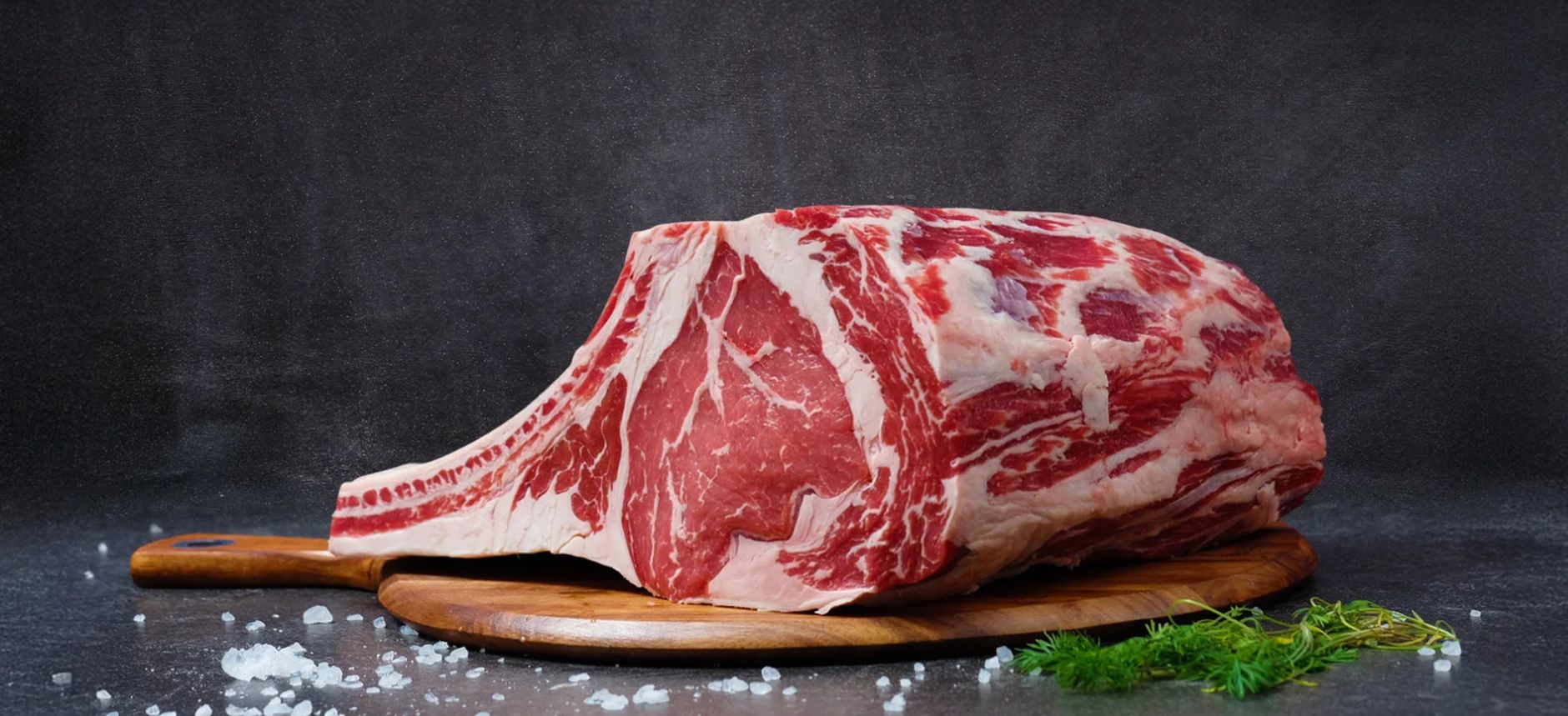
Photo by Satmar Meats on Pexels