







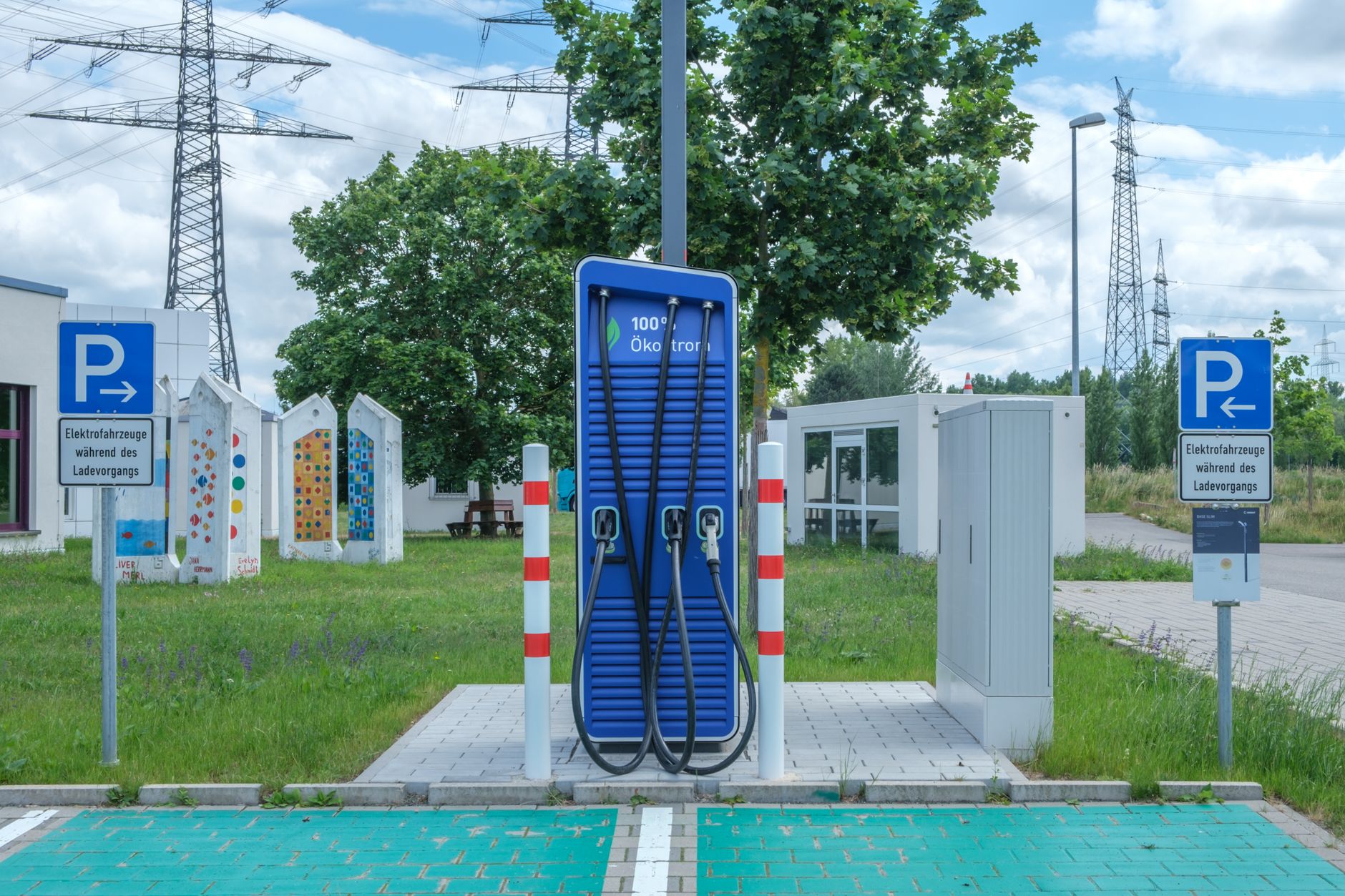
public EV charging network is gaining traction in India as Charge_iN by Mahindra expands to 50 locations. This growth reflects the increasing demand for electric vehicle infrastructure.
Overview of Charge_iN
Charge_iN, a notable initiative by Mahindra, has recently announced the expansion of its public EV charging network to 50 locations across India. This strategic move aims to enhance the accessibility of electric vehicle (EV) charging stations, catering to the increasing demand for sustainable transportation solutions.
With the growing number of EVs on Indian roads, the need for a robust public EV charging network has never been more critical. Charge_iN’s expansion is designed to alleviate range anxiety among potential EV buyers, ensuring that they have convenient charging options available throughout their journeys.
The newly established charging stations are strategically located in urban areas, highways, and popular travel routes, making it easier for users to charge their vehicles. In addition to standard charging facilities, Charge_iN is also focusing on fast-charging technology, which allows for quicker turnaround times, further promoting the adoption of electric vehicles.
Moreover, the initiative aligns with India’s commitment to reducing carbon emissions and promoting renewable energy sources. By investing in a comprehensive public EV charging network, Charge_iN is not only facilitating the shift towards electric mobility but also supporting the government’s vision of a greener future.
As more players enter the EV charging market, the competition is expected to drive innovation and improve service quality, ultimately benefiting consumers and the environment alike.
Expansion Plans for EV Charging
As the demand for electric vehicles (EVs) continues to rise in India, the expansion plans for the public EV charging network are crucial for supporting this growth. Charge_iN, a notable player in this field, has announced its ambitious move to establish charging stations in 50 locations across the country. This initiative is designed to enhance accessibility and convenience for EV users, addressing a critical barrier to adoption.
The expansion will focus on high-traffic areas, including:
- Malls and shopping complexes
- Highway rest stops
- Corporate parks
- Residential societies
By strategically placing these charging stations, Charge_iN aims to create a robust and reliable public EV charging network that can meet the needs of both urban and rural users. The project is expected to not only facilitate long-distance travel for electric vehicle owners but also boost consumer confidence in EV technology.
Furthermore, Charge_iN plans to incorporate fast-charging technologies, which will significantly reduce waiting times and improve the overall charging experience. The integration of user-friendly mobile applications for locating charging stations and monitoring charging status is also on the agenda.
Ultimately, the success of this expansion could play a pivotal role in shaping India’s transition towards sustainable transportation.
Impact on Electric Vehicle Adoption
The expansion of the public EV charging network is critical for the adoption of electric vehicles in India. As more charging stations become available, potential EV buyers are likely to feel more confident about making the switch from traditional fuel vehicles to electric ones. This heightened confidence can significantly influence consumer behavior.
One of the primary concerns for prospective EV owners is the availability of charging infrastructure. A robust public EV charging network can alleviate range anxiety, which is the fear of running out of charge before reaching a charging point. With companies like Charge_iN by Mahindra expanding their networks to 50 locations across India, the accessibility of charging stations is set to improve, thus encouraging more individuals to consider electric vehicles.
Moreover, the impact of a well-developed charging network extends beyond individual consumers. It supports commercial fleets and public transportation systems in transitioning to electric models, which can lead to substantial reductions in urban air pollution. The benefits of widespread EV adoption include:
- Environmental benefits: Reduced emissions contribute to cleaner air.
- Economic savings: Lower operating costs for EVs compared to internal combustion engine vehicles.
- Energy independence: Reduced reliance on imported fossil fuels.
In conclusion, the growth of a public EV charging network is vital for accelerating the adoption of electric vehicles in India, paving the way for a sustainable future.
Benefits of Public Charging Stations
The expansion of the public EV charging network is crucial for enhancing the electric vehicle ecosystem in India. By establishing more charging stations, the initiative aims to address some of the key barriers faced by potential EV users. Here are several benefits of public charging stations:
- Increased Accessibility: Public charging stations make it easier for EV owners to find convenient charging options, particularly in urban areas where home charging may not be feasible.
- Reduced Range Anxiety: With a robust public EV charging network, drivers can travel longer distances without worrying about running out of battery, thus encouraging more people to switch to electric vehicles.
- Support for Fleet Operators: Logistics and transportation companies can benefit significantly from public charging stations, allowing them to operate electric fleets efficiently, which is essential for reducing carbon emissions.
- Encouragement of Green Energy: Many public charging stations are designed to utilize renewable energy sources, further promoting sustainability and reducing reliance on fossil fuels.
- Boost to Local Economies: The installation of charging stations can stimulate local economies by attracting more EV users and related businesses, such as cafes and retail shops, that benefit from increased foot traffic.
As the public EV charging network continues to grow, it is likely to play a pivotal role in the broader adoption of electric vehicles across the nation.
Challenges Facing EV Infrastructure
The development of a robust public EV charging network in India faces several significant challenges that could hinder its effectiveness and adoption. First, the infrastructure required to support widespread charging stations is still in its infancy. Many urban areas lack adequate space and accessibility for the installation of charging points, particularly in densely populated neighborhoods.
Additionally, the cost of setting up and maintaining these stations can be prohibitive for both private companies and government entities. This financial burden may slow down the pace of expansion and deter potential investors from entering the market.
Furthermore, the interoperability of charging stations is a pressing issue. Different EV manufacturers use different charging standards, which can lead to confusion and inconvenience for users. A public EV charging network must ensure compatibility across various vehicle models to promote seamless usage.
Another challenge is the awareness and adoption rate among consumers. Many potential EV buyers remain skeptical about the availability and reliability of charging infrastructure, which can deter them from making the switch to electric vehicles. Education and outreach efforts are essential to build trust and confidence in public charging stations.
Lastly, the sustainability of energy sources powering these charging stations is a growing concern. A public EV charging network must prioritize renewable energy solutions to align with broader environmental goals.
Future of EV Charging in India
The future of EV charging in India is poised for significant transformation as the country embraces the public EV charging network. With initiatives like Charge_iN by Mahindra expanding to 50 locations, the landscape of electric vehicle infrastructure is rapidly evolving.
As more charging stations become available, the convenience for electric vehicle owners will increase, potentially leading to higher adoption rates. The public EV charging network is crucial in addressing range anxiety, a common concern among potential EV buyers. With reliable access to charging points, consumers may feel more confident in making the switch to electric vehicles.
Moreover, the government’s commitment to promoting sustainable transportation further supports the growth of this network. Investment in public charging infrastructure is essential for achieving India’s ambitious climate goals and reducing dependence on fossil fuels.
However, the growth of the public EV charging network must be accompanied by efforts to ensure the quality and accessibility of charging stations. Collaboration between private companies and government bodies will be vital in overcoming existing challenges such as grid reliability and technology standardization.
In conclusion, as India continues to invest in its public EV charging network, it lays down the groundwork for a greener future. The success of this initiative will ultimately depend on a concerted effort to enhance infrastructure and provide seamless access for all electric vehicle users.
How to Find Charge_iN Locations
Finding Charge_iN locations across India has become increasingly essential for electric vehicle (EV) owners, especially with the expansion of the public EV charging network. Charge_iN, a notable initiative by Mahindra, offers an easy way to locate charging stations through various platforms.
Users can access Charge_iN locations through:
- Mobile App: The Charge_iN mobile application is designed for user-friendly navigation, providing real-time information on nearby charging stations, their availability, and charging speeds.
- Website: The official Charge_iN website features an interactive map, allowing users to search for charging stations by city or region. It also offers updates on new locations as they are established.
- In-Vehicle Navigation Systems: Many modern vehicles are now equipped with integrated navigation systems that can display Charge_iN locations, guiding drivers to the nearest charging point safely.
Additionally, users can stay informed about new charging stations and network expansions through social media updates and newsletters from Charge_iN. By leveraging these resources, EV owners can ensure a seamless charging experience while contributing to the growth of the public EV charging network in India. This initiative not only enhances accessibility but also promotes electric vehicle adoption across the country.
Photo by Reinhard Bruckner on Pexels
References
You might also like
Real-Time EV Charging Data: Parkopedia and Voltality Team Up · BMW F 450 R: The Best Upcoming Bike You Need to Know · Meat Recall News: USDA Issues Highest Risk Level Warning