







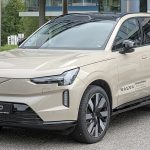

Volvo plug-in hybrids are currently facing a significant hurdle in India due to a 40% tax. Despite this, the automaker plans to introduce one electric vehicle each year.
Overview of Volvo’s EV Plans
Volvo has been making significant strides in the electric vehicle market, particularly with its plug-in hybrids. The company’s commitment to sustainability is evident as it aims to launch one electric vehicle (EV) annually in the coming years. This aligns with its broader strategy to transition towards a more electrified lineup and reduce dependency on traditional combustion engines.
In India, however, the introduction of Volvo plug-in hybrids faces challenges due to the country’s high taxation policy, which imposes a hefty 40% tax on hybrid vehicles. This financial burden could deter potential buyers and impact Volvo’s sales targets in the region. Despite these hurdles, the company remains optimistic about expanding its electric offerings.
Volvo’s plans include:
- Launching one new EV model each year
- Increasing awareness and adoption of plug-in hybrids
- Addressing the challenges posed by taxation in key markets
As the automotive landscape evolves, Volvo is poised to make significant contributions to the electric vehicle segment, ensuring that its plug-in hybrids remain an essential part of its future strategy. The company’s adaptability and innovation will be crucial in navigating the complexities of various markets, especially in regions with stringent tax regulations.
Impact of 40% Tax on Plug-in Hybrids
The introduction of a 40% tax on plug-in hybrids poses a significant challenge for Volvo as it considers expanding its range of plug-in hybrids in India. This high tax rate could deter potential consumers who might otherwise be interested in these eco-friendly options, making it crucial for Volvo to assess the implications on their sales strategy.
Many potential buyers of plug-in hybrids are motivated by not only environmental concerns but also the financial incentives typically associated with lower emissions vehicles. However, the steep tax could negate these benefits, leading to a decrease in market demand. This situation raises several key considerations:
- Consumer Awareness: Understanding how the tax affects total ownership costs can influence buyer decisions.
- Market Competitiveness: Competing brands with lower taxes on hybrids may attract eco-conscious consumers more effectively.
- Long-Term Strategy: Volvo must weigh the benefits of introducing plug-in hybrids against the potential slowdown in sales.
Ultimately, the 40% tax on plug-in hybrids may force Volvo to rethink its approach in the Indian market, evaluating whether the introduction of these vehicles remains viable or if the focus should shift entirely to fully electric models.
Consumer Reactions to EV Launches
As the automotive industry shifts towards sustainability, consumer reactions to Volvo’s plug-in hybrids have become increasingly important. Many potential buyers express enthusiasm for the brand’s commitment to electrification, particularly in light of the anticipated launch of new models. However, the looming 40% tax on plug-in hybrids is causing concern among consumers who may be deterred by the increased costs associated with these vehicles.
Feedback from early adopters indicates a mix of excitement and skepticism. Some consumers appreciate the environmental benefits of Volvo plug-in hybrids, noting their potential to reduce carbon footprints while still offering the convenience of traditional combustion engines. Others, however, are worried that the high tax rate could make these vehicles less accessible.
In surveys conducted among prospective buyers, key factors highlighted include:
- Cost Efficiency: Many consumers are weighing the long-term savings on fuel against the initial premium of plug-in hybrids.
- Performance: Enthusiasts are keen on the driving experience offered by Volvo’s hybrid technology.
- Government Incentives: Some buyers are looking for reassurances regarding potential tax breaks or rebates to offset the higher purchase price.
As Volvo prepares to launch its first EV in India, it remains to be seen how these reactions will influence consumer decisions in an evolving market.
Comparison of Hybrid and Electric Vehicles
As the automotive market shifts towards sustainability, consumers often face a choice between hybrid and electric vehicles. When considering the advantages of Volvo plug-in hybrids, it’s essential to evaluate both options carefully.
- Hybrid Vehicles: These vehicles combine an internal combustion engine with an electric motor. They typically offer improved fuel efficiency compared to traditional vehicles. Additionally, they can run on gasoline alone or use electric power for shorter distances, making them versatile for various driving needs.
- Electric Vehicles (EVs): Fully electric cars, on the other hand, rely solely on electric power. This results in zero tailpipe emissions, making them environmentally friendly. However, they may require longer charging times and might not have the same range as hybrid models, particularly in regions with limited charging infrastructure.
- Cost Considerations: While hybrid vehicles can often be less expensive upfront compared to EVs, potential tax incentives for electric vehicles may tip the financial balance. The 40% tax hurdle facing Volvo’s plug-in hybrids in some markets raises questions about their affordability and attractiveness to consumers.
Ultimately, the choice between hybrid and electric vehicles will depend on individual preferences, lifestyle, and financial considerations, especially in light of the evolving landscape of automotive taxation and incentives.
Future of EVs in India
The future of electric vehicles (EVs) in India, particularly Volvo plug-in hybrids, is poised for significant transformation, despite current challenges such as high taxation. As India pushes for a greener economy, the demand for sustainable transportation solutions is increasing. However, the 40% tax on plug-in hybrids has created a substantial barrier for manufacturers and consumers alike.
Volvo’s commitment to launching one new EV annually demonstrates its dedication to adapting to the Indian market. The company is exploring various strategies to overcome tax hurdles and make its plug-in hybrids more accessible. The integration of advanced technologies and sustainable practices is likely to resonate well with environmentally conscious consumers.
Moreover, the Indian government is emphasizing the importance of EV adoption, encouraging investments in infrastructure and incentives for consumers. As awareness around climate change grows, more buyers may consider the benefits of Volvo plug-in hybrids, which offer a bridge between traditional combustion engines and fully electric vehicles.
In the coming years, as infrastructure improves and tax challenges are addressed, the landscape for EVs in India could see significant changes. The success of Volvo plug-in hybrids may hinge on how effectively the company navigates these hurdles while delivering value and performance to its customers.
Volvo’s Commitment to Sustainability
Volvo’s commitment to sustainability is evident in its ongoing efforts to lead the automotive industry towards greener solutions. The company’s focus on innovation and environmental responsibility has driven the development of its plug-in hybrids, which blend traditional combustion engines with electric technology. This shift not only aims to reduce carbon emissions but also to enhance the efficiency of their vehicles.
As part of its strategy, Volvo is dedicated to ensuring that all new models launched from 2025 onwards will be fully electric. However, plug-in hybrids remain an essential part of their current lineup, providing an accessible transition for consumers who may not yet be ready to fully embrace electric vehicles. The flexibility offered by Volvo plug-in hybrids allows drivers to benefit from electric-only driving in urban settings while retaining the convenience of a gasoline engine for longer trips.
In addition to their technological advancements, Volvo’s initiatives include establishing sustainable manufacturing practices and sourcing materials responsibly. The company is also actively engaging with policymakers to advocate for incentives that support electric and hybrid vehicles, aiming to create a more favorable market environment.
Ultimately, Volvo seeks to balance performance, sustainability, and consumer needs, positioning itself as a leader in the transition towards a more sustainable automotive future.
Market Trends in the Auto Industry
The automotive industry is undergoing significant changes as manufacturers adapt to evolving consumer preferences and regulatory landscapes. A notable trend is the increasing demand for Volvo plug-in hybrids, which offer a balance between traditional combustion engines and fully electric vehicles. This shift is largely driven by environmental concerns and the desire for greater fuel efficiency.
In recent years, several factors have influenced market trends:
- Government Incentives: Many countries are promoting electric and hybrid vehicles through subsidies and tax breaks, encouraging manufacturers like Volvo to expand their plug-in hybrid offerings.
- Consumer Awareness: As consumers become more informed about the environmental impact of their choices, the interest in Volvo plug-in hybrids has surged, appealing to those looking for greener alternatives.
- Technological Advancements: Innovations in battery technology have improved the efficiency and performance of hybrids, making them a more attractive option for potential buyers.
- Market Competition: As more automakers enter the electric and hybrid space, Volvo faces increased pressure to differentiate its products and maintain a competitive edge.
Despite the challenges posed by high taxation, Volvo’s commitment to expanding its hybrid lineup reflects its strategy to adapt to both market demands and environmental imperatives.
Volvo plug-in hybrids offer a unique blend of performance and efficiency, making them an attractive option for environmentally conscious drivers. However, the question remains: are Volvo plug-in hybrids worth the tax hurdle they often present?
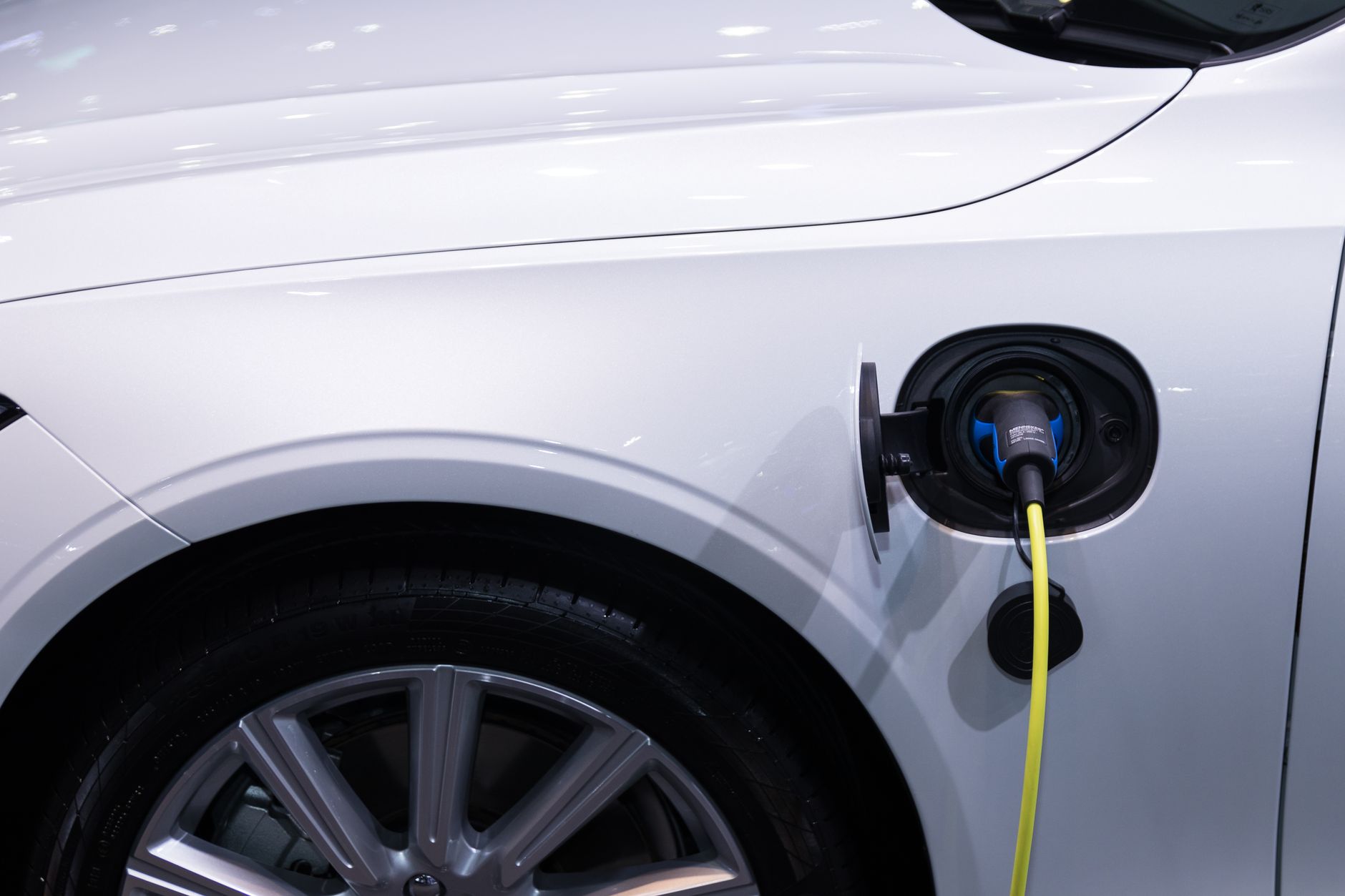
Photo by Rathaphon Nanthapreecha on Pexels