






The Flying Tesla Roadster is set to revolutionize transportation with its incredible features and under-one-second acceleration. Elon Musk’s vision includes advanced technology and futuristic capabilities that could change how we think about cars.
Introduction to the Flying Tesla Roadster
The Flying Tesla Roadster has captured the attention of tech enthusiasts and automotive fans alike, marking a groundbreaking step in the future of transportation. Introduced by Elon Musk, this innovative vehicle combines cutting-edge technology with the high performance that Tesla is known for.
With SpaceX rocket thrusters, the Flying Tesla Roadster is not just an ordinary car; it is designed to take off and soar through the skies. This unique feature allows it to accelerate from 0 to 60 mph in under one second, making it one of the fastest vehicles ever created. The promise of such acceleration has sparked excitement and curiosity about its engineering and capabilities.
In addition to its impressive speed, the Flying Tesla Roadster boasts a range of futuristic features that enhance both its performance and driver experience. These features include advanced autopilot capabilities, a state-of-the-art infotainment system, and sustainable energy sources that align with Tesla’s commitment to eco-friendly technology.
Set for production in 2028, the Flying Tesla Roadster is poised to revolutionize how we think about personal transport, merging the realms of automotive excellence with aerial innovation.
Key Features of the Flying Tesla Roadster
The Flying Tesla Roadster is set to revolutionize personal transportation with its innovative design and advanced technology. Here are some key features that make this vehicle stand out:
- Rocket Thrusters: Equipped with SpaceX rocket thrusters, the Flying Tesla Roadster promises to achieve remarkable speeds and unique flight capabilities.
- Under-One-Second Acceleration: The car boasts an astonishing acceleration rate, allowing it to go from zero to sixty in under one second, a feat that redefines performance standards.
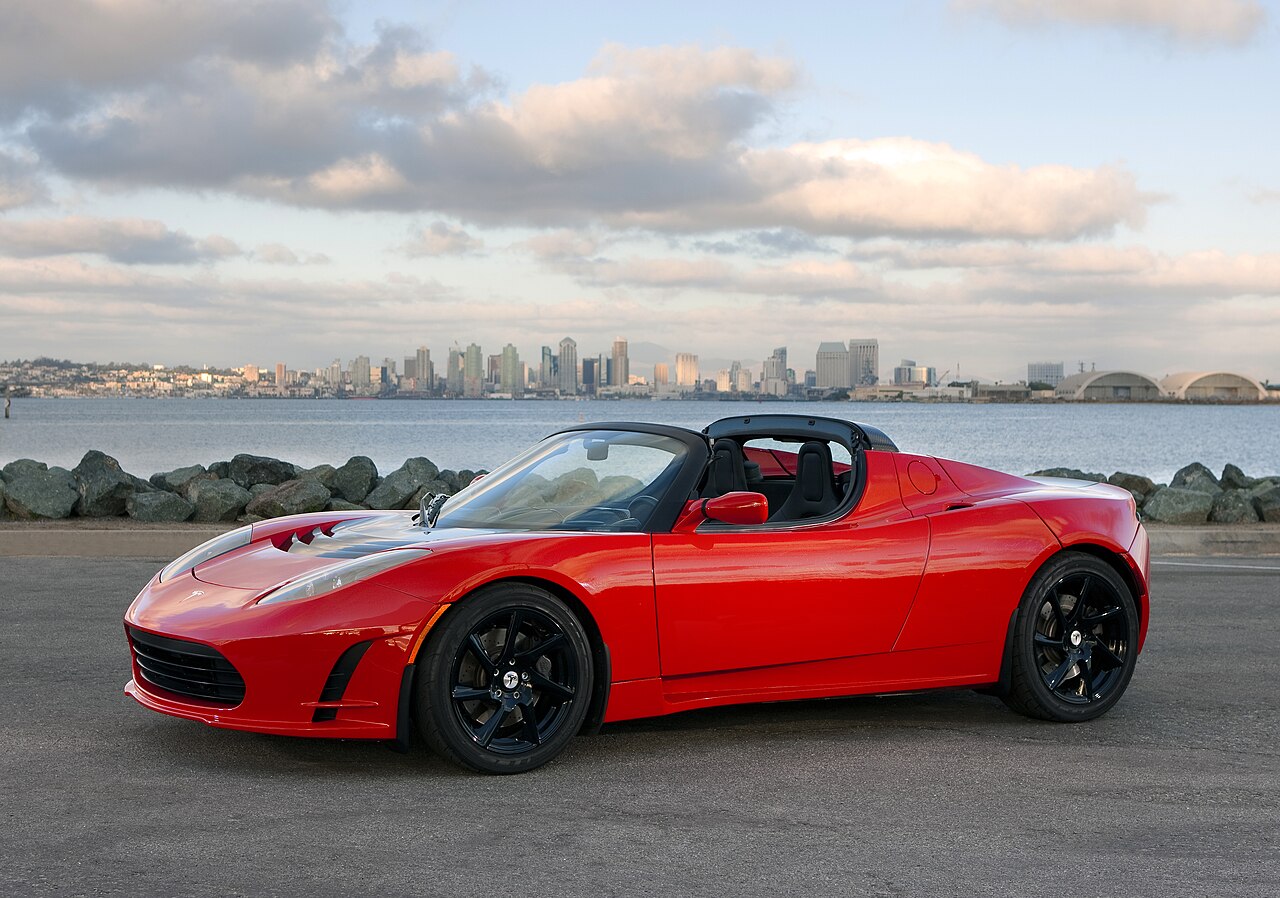
- Futuristic Design: Its sleek, aerodynamic design not only enhances performance but also captivates with its futuristic aesthetics.
- Advanced AI Integration: The vehicle will feature cutting-edge artificial intelligence systems for navigation, safety, and passenger convenience, ensuring a seamless driving experience.
- Eco-Friendly Technology: As part of Tesla’s commitment to sustainability, the Roadster is designed to minimize environmental impact while delivering high performance.
With these groundbreaking features, the Flying Tesla Roadster is poised to become a game-changer in the automotive industry, merging the thrill of flying with the luxury of a sports car.
Elon Musk’s Vision for Future Cars
Elon Musk has always been known for his ambitious visions, and the Flying Tesla Roadster is no exception. His concept of a car that can not only drive but also take to the skies represents a significant leap in automotive innovation. Musk envisions a future where transportation is redefined, combining the efficiency of electric vehicles with the capabilities of advanced aerospace technology.
One of the key aspects of Musk’s vision is the integration of SpaceX rocket thrusters into the design of the Flying Tesla Roadster. This feature promises to deliver unprecedented acceleration and agility, allowing the vehicle to transition seamlessly from road to air. Musk has claimed that the car could achieve under-one-second acceleration, a feat that would revolutionize personal transport.
Furthermore, Musk plans to implement cutting-edge features that prioritize safety and user experience. By leveraging artificial intelligence and autonomous driving technologies, the Flying Tesla Roadster aims to ensure a smooth and secure journey, both on the ground and in the air. As he sets a production target for 2028, the anticipation around this extraordinary vehicle continues to grow.
Acceleration Claims and Performance
The acceleration claims for the Flying Tesla Roadster have stirred significant excitement within the automotive and tech communities. With a promise of under-one-second acceleration, this remarkable vehicle aims to redefine the boundaries of speed and performance.
Elon Musk has stated that the Roadster will incorporate advanced SpaceX rocket thrusters, which play a crucial role in achieving this astounding acceleration. The integration of these thrusters not only enhances the speed but also improves vertical take-off capabilities, making the flying experience more seamless.
Key performance metrics include:
- 0 to 60 mph: Achieved in less than one second.
- Top Speed: Expected to exceed 250 mph.
- Flight Duration: Designed for short bursts with optimal aerodynamic efficiency.
The combination of cutting-edge technology and innovative engineering positions the Flying Tesla Roadster as a groundbreaking vehicle that could potentially revolutionize the way we perceive personal transportation. As the 2028 production target approaches, enthusiasts and potential buyers eagerly anticipate the chance to experience its extraordinary capabilities firsthand.
Production Timeline and Expectations
The production timeline for the highly anticipated Flying Tesla Roadster has been a topic of much discussion among enthusiasts and industry experts alike. Elon Musk has set an ambitious target for the vehicle’s rollout, aiming for a production date in 2028. This timeline aligns with Tesla’s ongoing commitment to innovation and sustainability in the automotive sector.
As the company ramps up its efforts, several key milestones have been established to ensure that the Flying Tesla Roadster meets its groundbreaking specifications. These milestones include:
- Prototype Development: Initial prototypes are expected to undergo rigorous testing to validate performance and safety features.
- Partnerships with Aerospace Experts: Collaborations with SpaceX engineers aim to refine the rocket thruster technology integral to the vehicle’s flight capabilities.
- Regulatory Approvals: Navigating the regulatory landscape will be crucial for the flying car’s acceptance in various markets.
As 2028 approaches, anticipation continues to build around the Flying Tesla Roadster, with many eagerly awaiting its innovative blend of automotive and aerospace technology.
via Wikimedia Commons