








Waste collection companies operate in an environment where time, equipment availability, and customer expectations all matter. Commercial properties need regular pickups, drivers must follow planned routes, and fleet managers must control costs while maintaining service quality. Streamlining the collection process requires suitable vehicles, consistent operating procedures, and maintenance planning that keeps equipment ready for work.
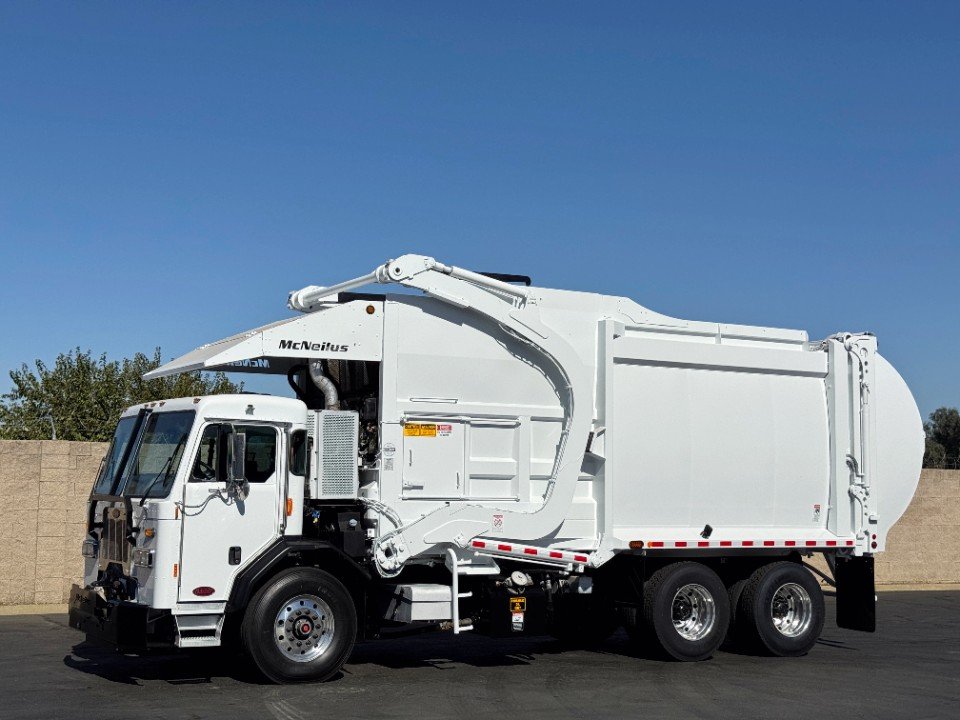
McNeilus front loaders are designed for commercial waste collection and other demanding applications. Their front-loading systems handle compatible containers, while available configurations provide different approaches to capacity and operational requirements. When the truck matches the route, it can become an important part of a well-organized collection process.
Creating a Consistent Collection Process
A streamlined route begins with a repeatable process. Drivers need to know where each container is located, how the vehicle should approach it, and which procedures must be followed during collection. Clear site arrangements reduce confusion and make it easier to complete scheduled pickups.
Front loaders use lifting equipment to raise compatible containers and empty them into the refuse body. This approach can work well for businesses that use standardized commercial dumpsters placed in accessible collection areas.
However, equipment alone cannot solve every problem. Containers blocked by delivery vehicles, improperly positioned dumpsters, and restricted loading areas can delay collection. Waste management companies should communicate with customers about keeping containers accessible and maintaining clear service areas.
Selecting Equipment That Matches the Route
McNeilus offers the Atlantic Series and Meridian front loader configurations. The Atlantic Series is designed for heavy-duty applications, while the Meridian balances strength and versatility for commercial and residential routes.
Fleet managers should choose based on route conditions, container types, expected waste volume, and vehicle restrictions. A large commercial route may require a different body capacity and chassis combination from a route that includes smaller properties and tighter access points.
When reviewing McNeilus front loaders, buyers should confirm current specifications, including body dimensions, lifting ratings, payload limits, and chassis compatibility. A well-matched vehicle can help the fleet maintain a consistent operating process without forcing drivers to work around avoidable equipment limitations.
Making Better Use of Collection Time
Collection time is affected by many factors, including travel distance, traffic, container placement, loading cycles, and unloading requirements. Managers can improve efficiency by examining where delays occur and adjusting the route or operating process accordingly.
Grouping nearby customers can reduce unnecessary travel. Scheduling difficult locations at appropriate times may help avoid peak traffic or delivery activity. Confirming access arrangements with commercial customers can also reduce the number of stops that require additional maneuvers.
A truck’s body capacity can influence how often it must unload. Choosing a suitable capacity may help reduce unnecessary trips, provided the vehicle remains within legal weight limits. Fleet managers should evaluate waste density as well as volume when planning routes.
Understanding the Role of Compaction
Compaction allows refuse to be compressed within the body, helping the truck use its available space more effectively. The packing system is therefore an important consideration when assessing collection performance.
McNeilus front loaders come standard with Excalibre packing cylinders. These feature a tool-steel shaver and nitrided rods designed to resist wear and corrosion and help reduce hydraulic contamination.
The packing system must still be maintained correctly. Operators should follow the manufacturer’s instructions, avoid inappropriate loading practices, and report unusual operation. Maintenance teams should inspect the relevant components and follow recommended service intervals.
Compaction performance also depends on the type of material being collected. Dense waste may reach legal weight limits before the body is full, so fleet managers should not use body volume alone to determine how much a truck can carry.
Using Diagnostics to Support Troubleshooting
Some McNeilus front loader configurations offer the McNeilus CODE controls system, which provides diagnostic and troubleshooting capabilities. Depending on the selected model, this technology can help maintenance personnel investigate certain faults and understand vehicle status.
Diagnostics can support a more organized repair process, but they are not a substitute for inspections or qualified technical work. A warning indicator should be assessed according to the manufacturer’s guidance, and defects affecting safe operation must be addressed before the vehicle returns to service.
Fleet managers can support faster troubleshooting by keeping vehicle identification information, service history, and descriptions of recurring issues available. Accurate records help technicians understand what has occurred and what work has already been completed.
Preventing Disruptions Through Maintenance
An unexpected breakdown can disrupt several customer pickups and force the fleet to reorganize its schedule. Preventive maintenance helps identify potential problems before they develop into more serious interruptions.
Inspections should cover the chassis, brakes, tires, hydraulic system, lifting mechanism, packing equipment, lights, and other critical components. Service schedules should follow manufacturer recommendations and reflect the truck’s actual workload.
Drivers should report leaks, abnormal sounds, inconsistent lifting, and warning messages promptly. Maintenance teams should document repairs and monitor recurring faults so they can investigate underlying causes.
Parts and Service Support
Access to replacement parts and technical support is another element of an efficient collection operation. When a truck requires repair, uncertainty about the correct component or service process can extend downtime.
Atlantic Heavy Duty provides McNeilus front loader information and parts support for refuse vehicles, including genuine OEM parts and assistance from parts specialists. Fleet managers should confirm the support available for their location and selected truck configuration.
Planning for parts and service before a breakdown can help the business respond more effectively when repairs are needed. Managers should also consider backup vehicle arrangements for routes that cannot be delayed.
Measuring Collection Improvements
Businesses should measure whether operational changes are actually improving performance. Useful measures include route completion time, stops completed, vehicle availability, maintenance costs, repeated service issues, and customer complaints.
These figures need context. A difficult route may take longer because of traffic or access restrictions rather than truck performance. Comparing similar routes and tracking trends over time gives managers a clearer picture of where improvements are needed.
Conclusion
McNeilus front loaders can help streamline commercial waste collection when their lifting systems, body capacity, and chassis configuration match the work. Consistent collection procedures, accessible containers, planned routes, and preventive maintenance are equally important.
By combining appropriate equipment with trained operators and dependable parts support, waste management companies can improve the organization of their daily operations. Atlantic Heavy Duty can help fleet managers explore McNeilus front loader options and plan for ongoing equipment support.