









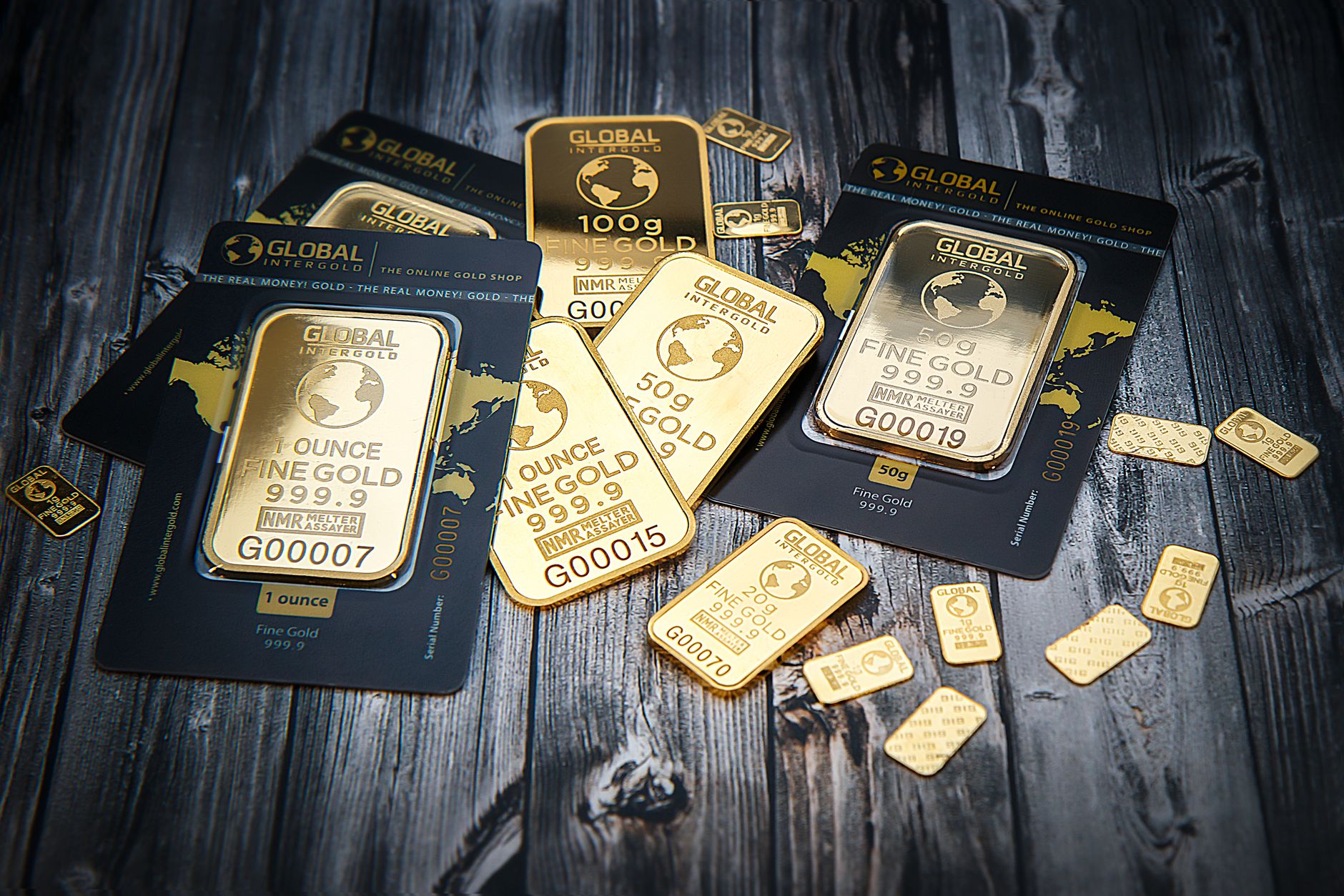
Gold rises oil prices as analysts observe significant trends in the global market. The relationship between these commodities influences investment strategies and economic forecasts.
Understanding the Relationship Between Gold and Oil
The relationship between gold and oil prices has long been a topic of interest for investors and analysts alike. Understanding this connection can provide valuable insights into market dynamics. When gold rises, it often indicates a shift in investor confidence, which can have a ripple effect on oil prices.
- Inflation Hedge: Gold is traditionally seen as a safe haven during times of economic uncertainty. As inflation rises, investors flock to gold, which can lead to increased demand and higher prices.
- Currency Fluctuations: Gold prices often rise when the value of the dollar falls. A weaker dollar makes oil, priced in dollars, more expensive for foreign investors, potentially leading to higher oil prices.
- Geopolitical Tensions: During geopolitical crises, both gold and oil prices can surge. A rise in gold may signal concerns that can also drive oil prices higher due to supply disruptions.
In summary, the relationship between gold rises and oil prices is complex, influenced by various economic and geopolitical factors that investors must consider.
Current Trends in Gold Prices
Recent market analysis indicates a notable trend in gold prices, which have been on the rise despite a backdrop of falling oil prices. This peculiar relationship highlights the intricate dynamics between these two precious commodities, where gold’s appeal as a safe-haven asset becomes more pronounced in uncertain economic climates.
Analysts have observed several factors contributing to the rise in gold prices:
- Inflation Concerns: Investors are flocking to gold as a hedge against rising inflation, which can erode the purchasing power of currency.
- Geopolitical Tensions: Ongoing global conflicts and uncertainties have spurred demand for gold, further driving its value upward.
- Dollar Weakness: A weaker U.S. dollar often leads to higher gold prices, as commodities priced in dollars become cheaper for foreign investors.
As gold rises, oil prices, despite their recent downturn, also feel the impact. The connection between these commodities suggests that shifts in investor sentiment regarding gold can significantly influence oil market dynamics, creating a ripple effect throughout the global economy.
How Falling Oil Prices Affect Investments
The recent fluctuations in oil prices have significant implications for investors, particularly in the context of gold investments. As oil prices decline, many market analysts observe a corresponding rise in gold prices, highlighting the intricate relationship between these two commodities.
Investors often seek gold as a safe haven during times of economic uncertainty, which can be exacerbated by falling oil prices. When oil becomes cheaper, it can lead to concerns over global economic health and slower growth, prompting a shift towards gold as a more stable investment option. This shift not only drives up demand for gold but also subsequently raises its prices.
Moreover, falling oil prices can affect various sectors, influencing overall market sentiment. As industries reliant on oil experience fluctuations, investments in commodities like gold become increasingly attractive. The dual effect of gold rising oil prices while investors adjust their portfolios to mitigate risks can create a dynamic marketplace.
- Gold serves as a hedge: Protects against currency devaluation.
- Oil price decline: Often signals economic slowdown.
- Market volatility: Drives investors towards safer assets.
Expert Opinions on Market Movements
Financial analysts are weighing in on the recent market dynamics as gold rises, impacting oil prices significantly. According to Dr. Emily Tran, an economist at the Global Finance Institute, the correlation between these two commodities is essential for understanding broader economic trends. She states, “When gold rises, it often reflects investor sentiment shifting towards safe-haven assets, thus influencing oil prices.”
Additionally, Mark Johnson, a market strategist, emphasizes the role of inflation in this relationship. “As gold rises, it typically indicates inflationary pressures, which can lead to increased volatility in oil markets,” he explains. Johnson points out that the commodities tend to move inversely, with gold acting as a hedge against the uncertainties that falling oil prices create.
Furthermore, Sarah Lee, a commodities analyst, notes that the current rise in gold prices reflects broader market anxieties. “Investors are seeking stability as oil prices fluctuate, and this shift can have clear implications for investment strategies,” she adds. The interplay between gold rises and oil prices remains a crucial topic for market participants.
Historical Context of Gold and Oil Prices
Historically, the relationship between gold and oil prices has been complex and multifaceted. Gold, often seen as a safe-haven asset, tends to rise during times of economic uncertainty, while oil prices fluctuate based on supply and demand dynamics. In periods when oil prices fall, gold often experiences a rise as investors seek stability.
During the 1970s, for example, rising oil prices led to inflationary pressures, which subsequently increased the demand for gold as a hedge against inflation. Conversely, in the early 2000s, a surge in oil prices accompanied by geopolitical tensions also resulted in an increase in gold prices, highlighting the interconnectedness of these two commodities.
The recent trend of gold rises oil prices illustrates how shifts in one market can influence the other. As markets react to falling oil prices, investors may turn to gold, driving its value higher. This historical context underscores the importance of monitoring both gold and oil prices for a comprehensive understanding of market movements.
Thus, understanding their historical interactions can provide valuable insights for investors looking to navigate today’s volatile markets.
Future Predictions for Gold and Oil
As the markets continue to evolve, analysts are closely monitoring future predictions for both gold and oil. The recent trend of gold rises oil prices has sparked discussions on potential shifts in investment strategies and market behaviors.
Many experts believe that if gold continues to rise, it could lead to increased volatility in oil prices as investors seek safe-haven assets amid economic uncertainty. Some potential scenarios for the future include:
- Increased Demand for Gold: If inflation persists, gold may attract more investors, further driving up its price.
- Oil Price Stability: Should oil prices stabilize after recent fluctuations, the correlation with gold could shift, leading to new patterns.
- Geopolitical Factors: Ongoing global tensions could influence both commodities, with gold serving as a hedge against oil market instability.
Ultimately, the intertwined nature of gold and oil prices suggests that future movements in one market will likely reverberate across the other, making it essential for investors to remain vigilant and informed.
Investment Strategies in a Changing Market
As the financial landscape shifts, investors are seeking effective strategies to navigate the complexities of a market influenced by fluctuating commodities. The recent trend of gold rising alongside falling oil prices has prompted many to reassess their portfolios. Understanding how gold rises oil prices can serve as a protective measure against inflation and market volatility is crucial for making informed decisions.
One effective strategy is diversifying investments across various asset classes. By allocating resources to both precious metals and energy stocks, investors can mitigate risks associated with sudden market changes. Additionally, incorporating exchange-traded funds (ETFs) that focus on gold and oil can provide exposure without the need to directly purchase physical assets.
Furthermore, using options and futures contracts can allow investors to hedge against potential declines in oil prices while benefiting from the upward trajectory of gold. Keeping a close eye on geopolitical events and economic indicators will also help in adjusting investment strategies to react proactively to market shifts.
Ultimately, staying informed and adaptable is key to thriving in a changing market landscape.
As investors seek safe-haven assets amid market volatility, gold rises oil prices, leading to increased costs for consumers. This dynamic creates a ripple effect across various sectors, further complicating the economic landscape.
Photo by Michael Steinberg on Pexels