






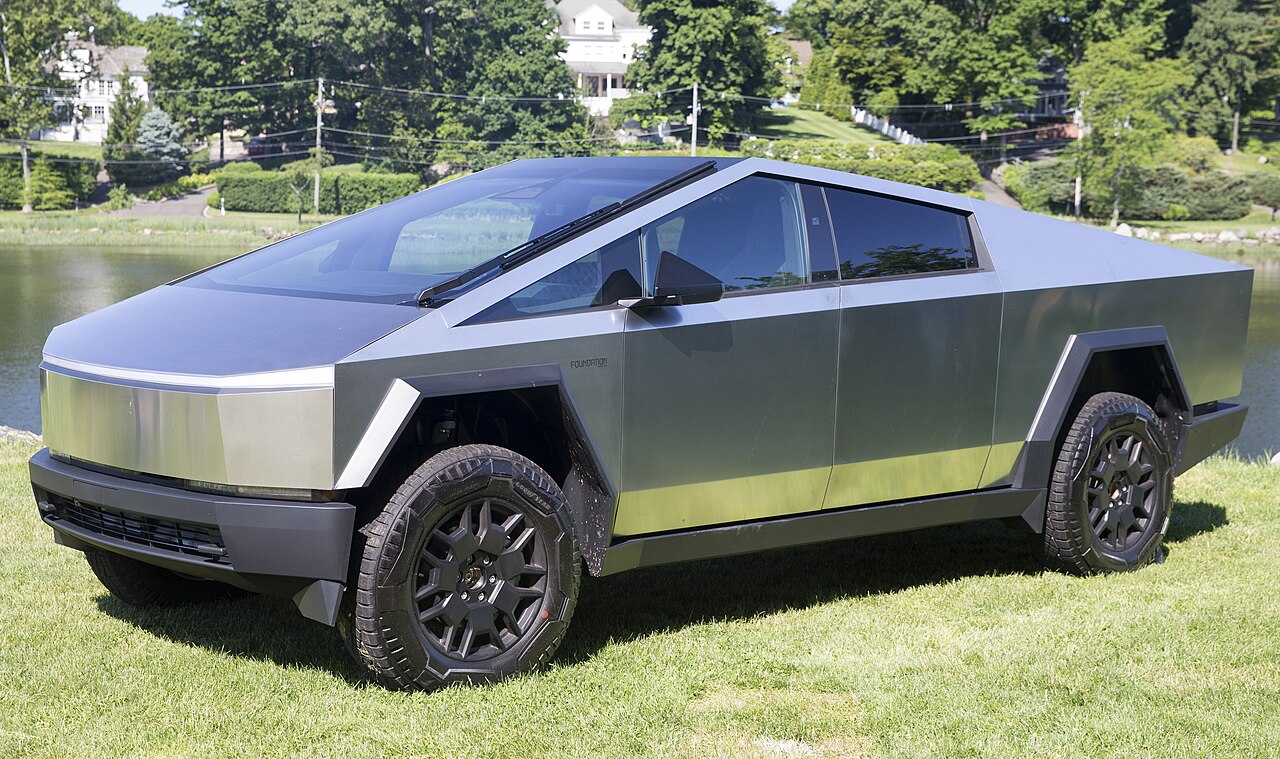
Cybertruck production news indicates that Tesla plans to wind down production by 2027. This decision raises questions about the future of the much-anticipated electric truck.
Tesla’s Future with Cybertruck
As Tesla prepares to wind down Cybertruck production by 2027, questions arise about the company’s future in the electric vehicle market. The decision to phase out this highly anticipated model has sparked debate among industry experts and enthusiasts alike.
Many are wondering if this move could be detrimental to Tesla’s long-term strategy. The Cybertruck was initially heralded as a groundbreaking entry into the electric truck segment, promising unique design and cutting-edge technology. However, the delays in production have led to skepticism regarding its viability.
Analysts point out several factors that could influence Tesla’s trajectory:
- Market Competition: With other manufacturers ramping up electric truck offerings, Tesla risks losing its competitive edge.
- Consumer Demand: The evolving tastes of consumers may not align with the Cybertruck’s unconventional aesthetics.
- Innovation Focus: Shifting resources away from the Cybertruck could hinder Tesla’s ability to innovate in other areas.
As the company navigates this pivotal moment, the implications of the Cybertruck production news will be closely monitored by stakeholders.
Impact on Electric Vehicle Market
The announcement regarding Tesla’s decision to wind down Cybertruck production in 2027 has significant implications for the electric vehicle market. This move raises questions about the future of Tesla and its competitiveness as a leading manufacturer of electric vehicles.
Analysts suggest that the Cybertruck has been highly anticipated, and its production news may signal potential challenges for Tesla in maintaining its market dominance. Several factors could influence the electric vehicle landscape:
- Market Competition: Other automakers are ramping up their electric vehicle offerings, aiming to capture a larger share of the market.
- Consumer Expectations: Buyers are increasingly looking for innovative features and designs that meet their needs.
- Regulatory Changes: Government incentives and regulations may shift, impacting demand for electric vehicles.
The future of the Cybertruck production could redefine Tesla’s strategy and reshape consumer perceptions in the electric vehicle market. The road ahead remains uncertain, but the impact of these decisions will be closely monitored.
Production Timeline Explained
The production timeline for the much-anticipated Cybertruck has become a topic of heated discussion among industry experts and Tesla enthusiasts alike. Originally slated for an earlier release, the timeline has shifted multiple times, leading some to question whether this is the worst decision for Tesla.
As per recent updates, Tesla plans to wind down Cybertruck production by 2027. This extended timeline raises several concerns:
- Delays in Market Entry: With the growing competition in the electric vehicle sector, the delay could hinder Tesla’s ability to secure its market position.
- Investor Confidence: Frequent changes in production schedules may lead to skepticism among investors regarding Tesla’s strategic planning.
- Technological Advances: The longer the wait, the greater the risk that advancements in EV technology could outpace the Cybertruck’s capabilities.
As the production timeline unfolds, many will be watching closely to see if the Cybertruck can live up to its promise or if it ultimately proves to be a miscalculation for Tesla.
Consumer Reactions to Cybertruck
As Tesla gears up for its Cybertruck production, consumer reactions have been mixed. While some enthusiasts remain excited about the vehicle’s unique design and innovative features, others express concerns about its viability in the market.
Many potential buyers are eagerly awaiting the Cybertruck’s release, citing its expected performance and sustainability as key factors. However, there are also apprehensions regarding production delays and whether Tesla can meet the growing demand.
- Positive Feedback: Supporters appreciate the futuristic aesthetics and the promise of advanced technology.
- Concerns: Critics worry about the practicality of the Cybertruck and whether it can compete with established electric trucks.
- Market Sentiment: Some analysts believe that the Cybertruck’s unconventional design could alienate traditional truck buyers.
As the news of the Cybertruck production continues to evolve, it remains to be seen if this will ultimately be viewed as a bold step forward or a miscalculation for Tesla in the competitive electric vehicle landscape.
Comparing Cybertruck to Competitors
The Cybertruck, Tesla’s ambitious entry into the electric truck market, faces stiff competition from established automakers. As production news suggests, the unique design and features of the Cybertruck have generated mixed reactions among consumers and industry experts alike.
Several competitors have already established strong footholds in the electric vehicle sector:
- Ford F-150 Lightning: Combining the classic appeal of the F-150 with electric power, Ford has successfully attracted traditional truck buyers.
- Rivian R1T: This startup offers a rugged, adventure-ready electric truck that has garnered significant attention for its performance and features.
- Chevrolet Silverado EV: With a familiar nameplate and advanced technology, Chevrolet aims to capture a share of the growing electric truck market.
As Tesla winds down Cybertruck production in 2027, it raises questions about its long-term viability against these strong competitors. Will the Cybertruck’s unconventional design ultimately be its downfall, or can it carve out a niche in a crowded market? The coming years will reveal the answer.
What This Means for Tesla’s Strategy
The recent announcement regarding the winding down of Cybertruck production in 2027 raises significant questions about Tesla’s overall strategy. As the company has heavily invested in this unique vehicle, the decision could have far-reaching implications.
Firstly, the shift in focus may reflect Tesla’s attempt to recalibrate its resources to meet growing demand for more traditional electric vehicles. With competitors rapidly entering the market, Tesla may need to prioritize production of models that yield quicker returns.
Secondly, this move could indicate a reassessment of the Cybertruck’s viability in a competitive landscape. While initial excitement generated consumer interest, sustained production may not be justified if sales forecasts do not align with expectations.
Moreover, the winding down of Cybertruck production can signal challenges in Tesla’s manufacturing processes. As the industry evolves, the company must adapt, ensuring it remains a leader in innovation and sustainability.
In conclusion, the Cybertruck production news highlights the need for Tesla to realign its strategy, balancing ambitious projects with market realities.
The latest Cybertruck production news has left many analysts questioning Tesla’s strategic direction. As the company faces delays and challenges, the Cybertruck production news could signal a turning point for its market position.
via Wikimedia Commons