





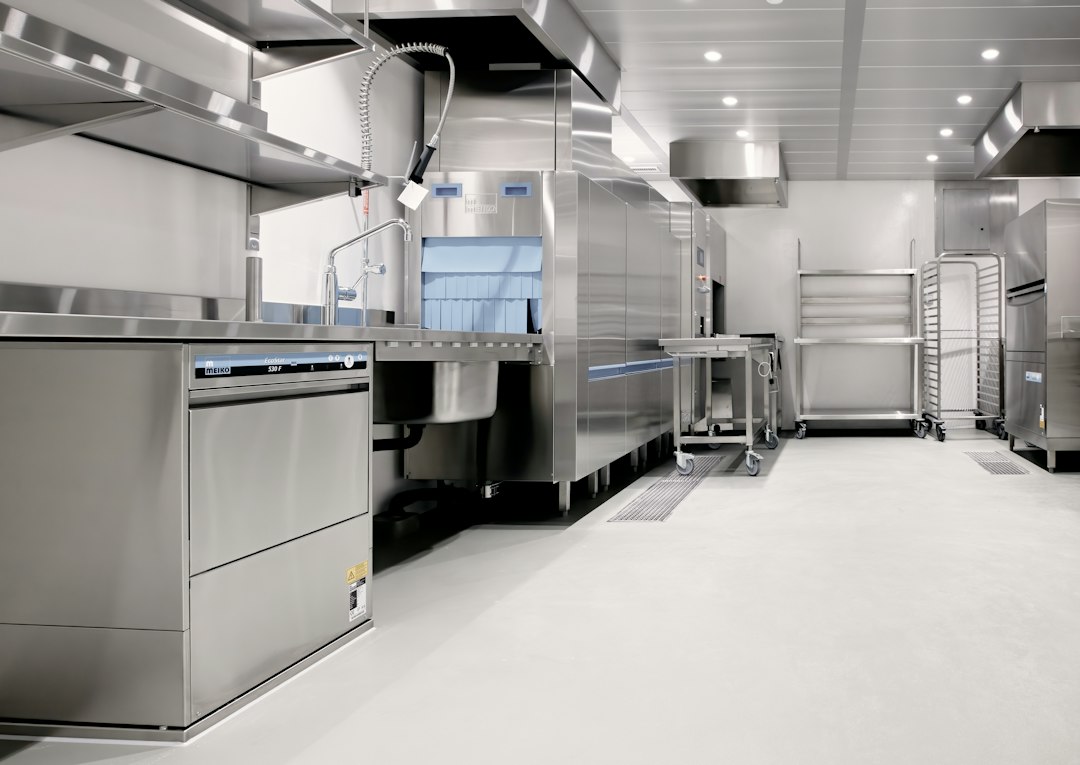
Commercial kitchens require consistent maintenance to keep cooking equipment, preparation areas, and surrounding surfaces clean and organized. Frequent food preparation, frying, baking, and washing can leave behind grease, oil, food particles, and stubborn stains. Professional Kitchen Deep Cleaning Services Florida help restaurant owners address accumulated dirt through detailed cleaning methods designed for busy commercial food preparation environments.
Importance of Detailed Commercial Kitchen Cleaning
Daily housekeeping helps maintain basic cleanliness, but certain areas need more thorough attention. Grease can collect around cooking appliances, food residue may settle in corners, and dirt can accumulate beneath accessible equipment. These areas are often difficult to clean during regular operating hours.
A comprehensive deep cleaning routine focuses on removing stubborn buildup from equipment and surfaces. It supports better kitchen maintenance, improves the appearance of the workspace, and helps employees maintain organized working conditions.
Deep Cleaning Commercial Cooking Equipment
Commercial cooking appliances experience frequent exposure to high temperatures, oils, fats, and food residue. Ovens, grills, fryers, stovetops, ranges, and cooking cabinets may develop stubborn grease and carbon deposits.
Detailed equipment cleaning involves selecting appropriate products and methods for each appliance. Removable components can be cleaned separately when permitted by manufacturer instructions. Special attention should be given to accessible areas where burnt food and grease commonly accumulate.
Electrical connections, heating elements, control panels, and sensitive coatings require careful handling. Following equipment guidelines helps reduce the risk of damage while supporting regular maintenance.
Maintain Clean Food Preparation Surfaces
Preparation counters, cutting stations, worktables, and splashbacks are regularly exposed to ingredients, spills, and food particles. Residue can collect around edges, joints, corners, and frequently touched sections.
Thorough cleaning removes visible dirt and grease from suitable surfaces. Food-contact areas should also be properly sanitized using approved products and procedures according to label instructions.
Maintaining these surfaces supports consistent hygiene practices and gives kitchen employees cleaner areas for handling ingredients and preparing meals.
Remove Grease from Floors and Walls
Commercial kitchen floors experience heavy foot traffic and frequent exposure to oils, water, spilled ingredients, and dirt. Grease can accumulate around equipment legs, beneath accessible workstations, and inside tile grout lines.
Professional floor cleaning uses methods suitable for the flooring material to address stubborn deposits. Detailed attention to corners and joints helps maintain cleaner surfaces and supports routine housekeeping.
Walls and splashbacks also require periodic cleaning to remove cooking stains, grease marks, and food residue. Keeping these surfaces clean contributes to a more organized kitchen environment.
Clean Sinks, Drains, and Washing Stations
Sinks and washing stations are essential to everyday kitchen operations. Food particles, grease, and moisture can collect around fixtures, drain openings, and nearby surfaces.
Detailed cleaning helps remove accessible buildup and maintain cleaner washing areas. Regular drain maintenance can also help reduce debris accumulation and unpleasant odors.
Suitable cleaning products should be selected according to plumbing materials and product instructions. Employees should never mix incompatible cleaning chemicals.
Maintain Refrigeration and Storage Areas
Refrigerators, freezers, shelving units, and storage cabinets should be included in the kitchen cleaning schedule. Food spills and residue can accumulate on shelves, door handles, seals, and interior surfaces.
Cleaning should follow manufacturer recommendations while maintaining appropriate food storage temperatures. Organized storage spaces also make it easier for employees to locate ingredients and supplies during busy service periods.
Choose Appropriate Cleaning Products and Techniques
Commercial kitchens contain different materials, including stainless steel, ceramic tiles, glass, concrete, and coated surfaces. Each material may require a specific cleaning approach.
Using compatible products helps remove buildup while reducing the risk of corrosion, discoloration, and surface damage. Cleaning professionals should follow label directions and use appropriate protective equipment.
Establish a Consistent Deep Cleaning Schedule
Daily cleaning should address visible spills, food residue, and frequently touched surfaces. Periodic deep cleaning can focus on difficult-to-reach areas, accumulated grease, and heavily used appliances.
The ideal schedule depends on kitchen size, cooking volume, equipment usage, and operating hours. Planning cleaning activities around restaurant operations helps maintain cleanliness with minimal disruption.
Support Better Commercial Kitchen Maintenance
Detailed cleaning of cooking equipment and surfaces helps restaurant owners maintain organized workspaces and protect valuable appliances. Combining professional deep cleaning with regular housekeeping supports consistent cleanliness and more efficient kitchen operations.
Key Takeaways
- Commercial kitchens require consistent maintenance to keep cooking equipment and preparation areas clean and organized.
- Professional Kitchen Deep Cleaning Services Florida offer detailed cleaning methods to address accumulated dirt in busy commercial kitchens.
- Deep cleaning focuses on stubborn buildup removal from equipment and surfaces, improving workspace appearance and organization.
- Regular cleaning of sinks, drains, and washing stations is essential to maintain hygiene and reduce unpleasant odors.
- Each type of material in commercial kitchens requires specific cleaning products and techniques to prevent damage.
- Establishing a consistent deep cleaning schedule around kitchen operations helps maintain cleanliness with minimal disruption.