









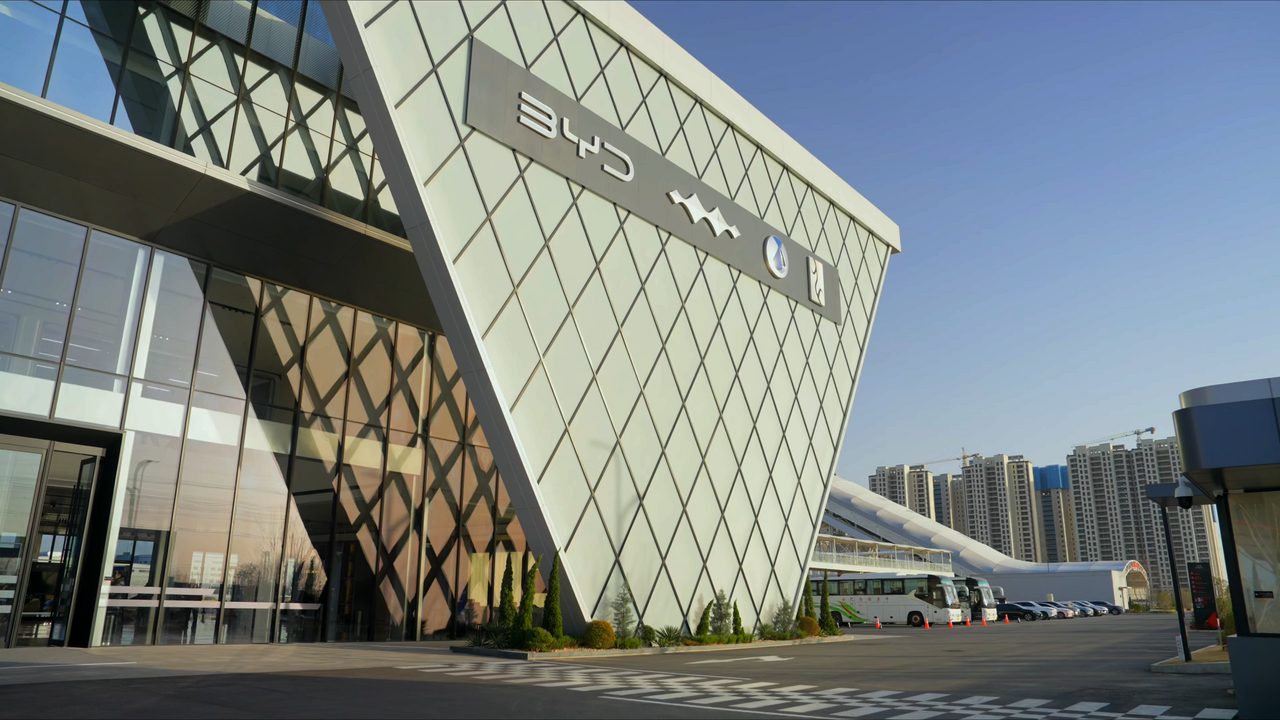
Ultra-Fast EV Charging technology is being considered by BYD for launch in Pakistan. This innovation promises to enhance the electric vehicle experience significantly.
What is Ultra-Fast EV Charging?
Ultra-Fast EV Charging refers to advanced charging technology that significantly reduces the time required to recharge electric vehicles (EVs). This innovative solution is designed to provide high power levels, enabling drivers to replenish their vehicle’s battery in a matter of minutes rather than hours.
With the increasing demand for electric vehicles, ultra-fast charging stations are essential for creating a robust infrastructure that supports widespread EV adoption.
Key features of ultra-fast EV charging include:
- Rapid Charging Speeds: Capable of delivering up to 350 kW, allowing for a full charge in under 30 minutes.
- Convenience: Reduces waiting times for drivers, making electric vehicles more appealing.
- Wide Availability: Aims to ensure charging stations are easily accessible across urban and rural areas.
As seen with companies like BYD, the introduction of ultra-fast EV charging technology in Pakistan could transform the electric mobility landscape.
BYD’s Plans for Pakistan
Chinese electric vehicle manufacturer BYD has announced its plans to introduce ultra-fast EV charging technology in Pakistan, marking a significant step towards sustainable transportation in the country. The company aims to establish a network of charging stations that will cater to the growing number of electric vehicles on Pakistani roads.
BYD’s initiative is expected to address several key challenges, including:
- Charging Infrastructure: The lack of adequate charging facilities has been a major barrier to EV adoption.
- Time Efficiency: Ultra-fast EV charging can significantly reduce the time needed to recharge vehicles, making electric options more appealing.
- Environmental Impact: Promoting electric vehicles aligns with global efforts to reduce carbon emissions.
As Pakistan looks towards a greener future, BYD’s advancements in ultra-fast EV charging could play a pivotal role in transforming the nation’s transport landscape.
Benefits of Fast Charging Technology
Ultra-fast EV charging technology offers numerous benefits that can significantly enhance the electric vehicle landscape in Pakistan. By providing rapid charging solutions, this technology can:
- Reduce Charging Time: Drivers can recharge their vehicles in a fraction of the time compared to conventional chargers, making EVs more convenient for everyday use.
- Enhance Infrastructure: The introduction of ultra-fast charging stations can lead to the development of a robust EV infrastructure across the country, encouraging more people to switch to electric vehicles.
- Support Renewable Energy: Integrating fast charging technology with renewable energy sources can promote sustainable practices and reduce reliance on fossil fuels.
- Increase EV Adoption: With improved charging times and convenience, more consumers are likely to consider electric vehicles, driving the shift towards greener transportation.
Overall, ultra-fast EV charging is an essential step towards a sustainable future for Pakistan.
The Future of Electric Vehicles in Pakistan
The future of electric vehicles in Pakistan looks promising, particularly with the advent of ultra-fast EV charging technology. As the nation grapples with energy challenges and pollution, a shift towards electric mobility is essential. The recent interest from companies like BYD highlights the growing recognition of the benefits that electric vehicles can bring to urban environments.
Adopting ultra-fast charging infrastructure can significantly reduce downtime for EV users, making electric vehicles a more viable option for everyday commuters. This technology not only enhances the convenience of owning an electric vehicle but also encourages more people to make the switch from traditional fuel-powered cars.
With proper investment and governmental support, Pakistan could become a leader in electric mobility, paving the way for a cleaner, greener future.
via Wikimedia Commons