









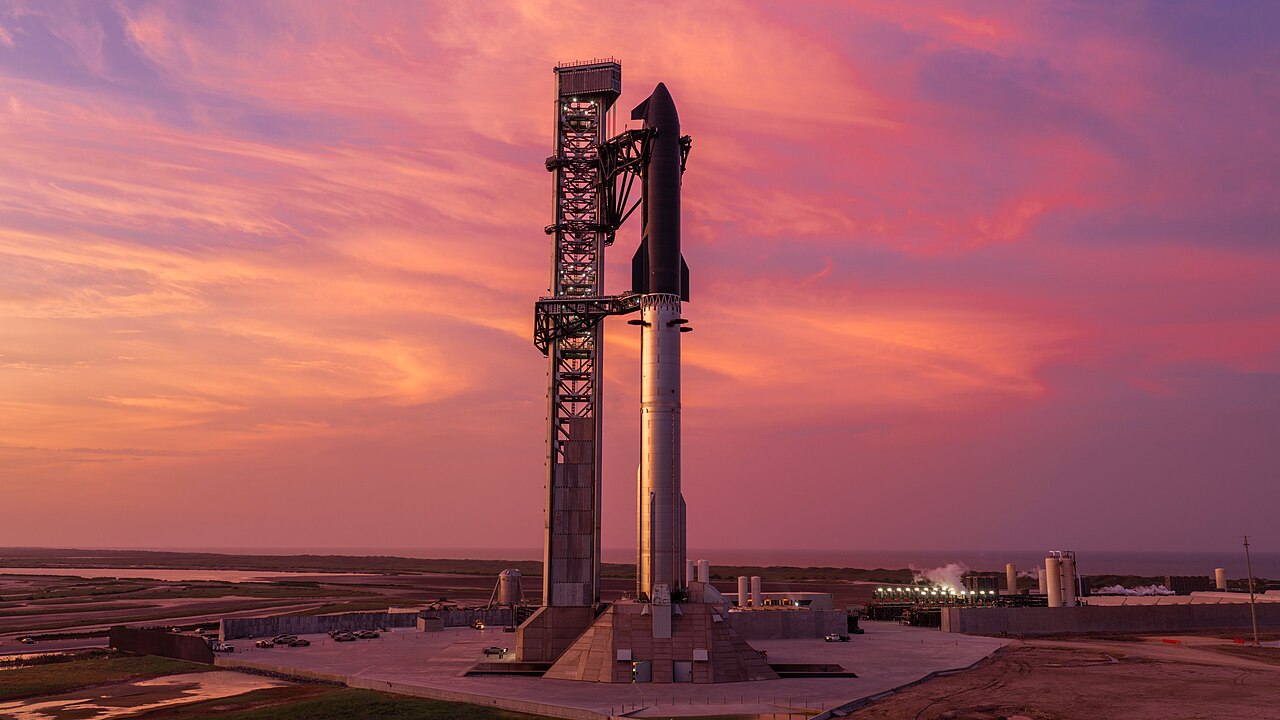
SpaceX debt investment has become a hot topic as Trump purchased over $1 million in SpaceX debt just days before unveiling his new space policy.
Trump’s Financial Strategy Explained
In a surprising move, former President Donald Trump has strategically invested over $1 million in SpaceX debt just days before announcing his new space policy. This financial maneuver highlights his commitment to advancing U.S. space exploration while potentially reaping significant returns from a company that has revolutionized the aerospace industry.
Trump’s decision appears to be part of a broader financial strategy aimed at positioning himself favorably within the rapidly evolving space sector. By investing in SpaceX debt, he not only supports a company known for its innovation but also aligns himself with a brand that has captured the public’s imagination.
Experts suggest that this investment comes with its own set of risks and rewards:
- Risk of Debt Investments: Debt investments can be less secure than equity, especially in volatile markets.
- Potential High Returns: If SpaceX continues to succeed, the returns on this debt could be lucrative.
- Political Implications: This move allows Trump to strengthen his ties to the space community.
Ultimately, Trump’s financial strategy reflects a calculated approach to capitalize on the growing significance of space exploration in both the economy and national security.
The Implications of SpaceX Debt
The recent move by former President Trump to invest over $1 million in SpaceX debt has raised eyebrows in financial and aerospace circles alike. This strategic decision highlights not only his belief in the potential of private space exploration but also the implications it carries for investors and the broader market.
Investing in SpaceX debt can be seen as a calculated risk, given the company’s track record of innovation and growth. However, it also reflects a shift in how traditional financial players view space technology and its viability. There are several potential implications of this investment:
- Market Confidence: Trump’s investment may boost confidence among other investors, potentially leading to increased funding for space ventures.
- Policy Influence: By aligning himself with a successful aerospace company, Trump could influence future space policy, especially as he prepares to unveil new initiatives.
- Investment Strategy: This move may signal a growing trend of leveraging debt investments in the tech sector, particularly in emerging industries like space exploration.
Ultimately, Trump’s decision to invest in SpaceX debt underscores a greater trend of recognizing the commercial viability of space, setting the stage for a potential boom in the sector.
Understanding SpaceX’s Financial Landscape
SpaceX’s financial landscape has become a focal point for investors and analysts alike, particularly in light of recent developments surrounding SpaceX debt investment. Founded by Elon Musk, the company has rapidly ascended to become a major player in the aerospace sector, leading innovations in both satellite technology and crewed space missions.
However, the path to profitability has not been without its challenges. SpaceX has accrued significant debt as it expands its operations and invests in new projects, such as the ambitious Starship program. This investment strategy, while risky, has the potential for enormous returns if successful.
Many investors are now closely monitoring how the company’s debt will be managed moving forward. In recent weeks, prominent figures, including former President Donald Trump, have shown interest in the growing potential of SpaceX’s financial instruments. Trump’s recent acquisition of over $1 million in SpaceX debt is seen as a strategic move to capitalize on the company’s future growth.
As the aerospace industry evolves, understanding the intricacies of SpaceX’s financial health is crucial for investors looking to make informed decisions. The implications of such investments could reshape the landscape of private space exploration.
What This Means for Future Space Policies
The recent purchase of over $1 million in SpaceX debt by former President Donald Trump is poised to influence future space policies significantly. This investment not only highlights Trump’s ongoing interest in the aerospace sector but also signals potential shifts in governmental support for private space ventures.
With the increasing reliance on private companies like SpaceX for space exploration and satellite deployment, Trump’s financial commitment could encourage other investors to follow suit. This trend may lead to:
- Enhanced Collaboration: A stronger partnership between the government and private aerospace entities could foster innovation and reduce costs.
- Funding Opportunities: Increased investment in SpaceX debt might attract more financial backing for similar projects, creating a more robust ecosystem for space exploration.
- Policy Revisions: Trump’s actions could prompt lawmakers to revisit regulations that impact private investments in space, potentially streamlining processes for new ventures.
Ultimately, this strategic move could reshape how the U.S. approaches its space initiatives, emphasizing a shift towards leveraging private investment to achieve ambitious space goals. The SpaceX debt investment reflects a growing recognition of the vital role that private companies will play in the future of space exploration.
The recent SpaceX debt investment has raised eyebrows among financial analysts, highlighting the potential for significant returns. Many are now questioning how this SpaceX debt investment might influence the future of aerospace financing.
via Wikimedia Commons