

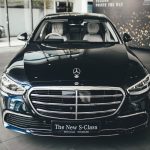


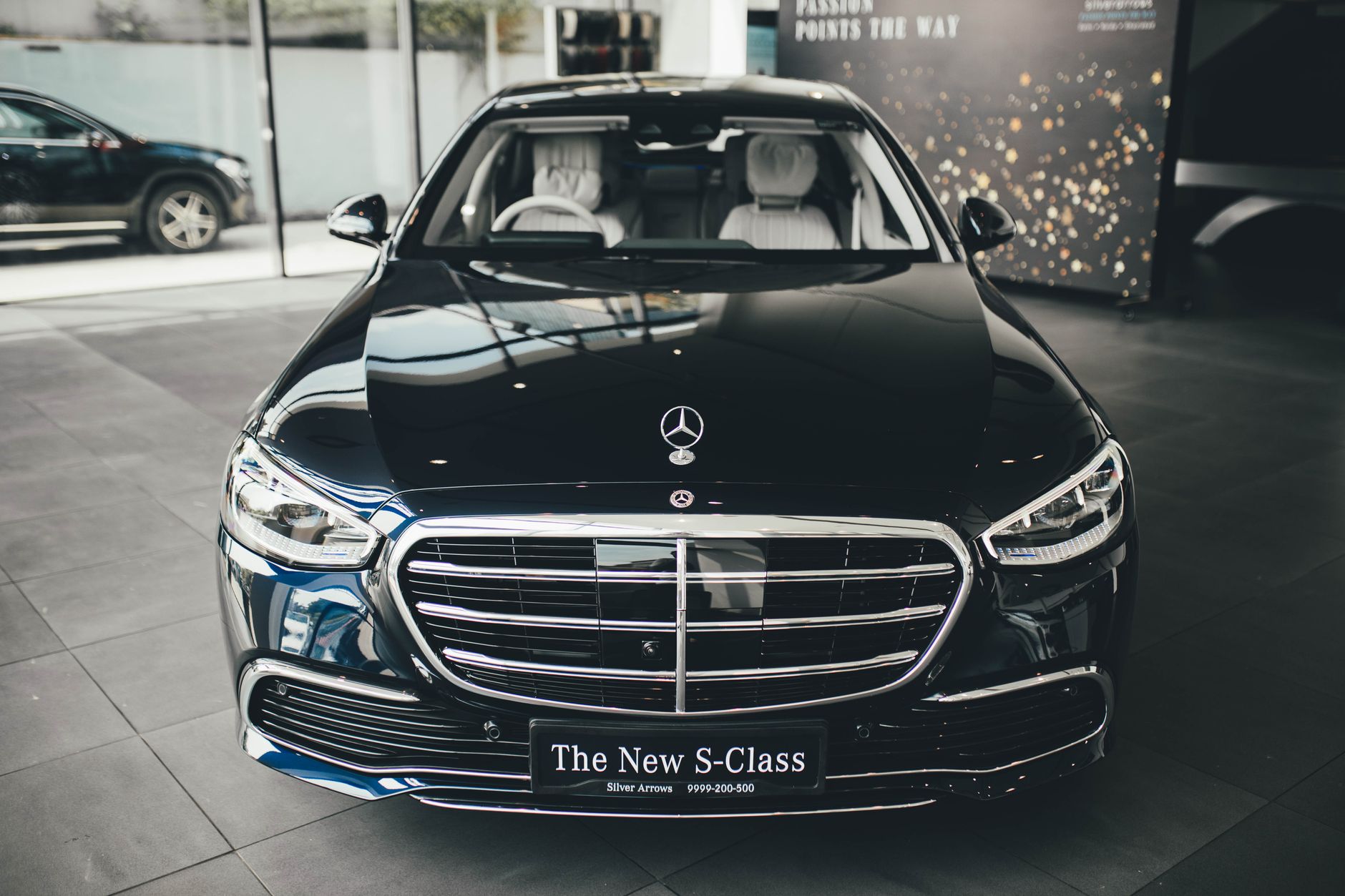
Mercedes-Benz BMW India launches are on the horizon, with both automakers planning to unveil their new models within 4 to 6 months. This move highlights their commitment to the growing Indian market.
Overview of Upcoming Models
Mercedes-Benz and BMW are set to revolutionize the Indian automotive market with their upcoming launches. Both luxury car manufacturers have committed to introducing several new models within a remarkable timeframe of just 4 to 6 months. This swift strategy aims to capitalize on the growing demand for premium vehicles in India.
The upcoming models are expected to impress consumers with advanced technology, sustainability, and enhanced performance. Some key highlights include:
- Electric Vehicles (EVs): Both brands are focusing on expanding their EV lineup to cater to the eco-conscious buyer.
- SUV Segment: With the increasing popularity of SUVs in India, Mercedes-Benz and BMW are likely to introduce sportier and more luxurious models.
- Hybrid Options: The addition of hybrid vehicles will provide consumers with more choices, blending performance with fuel efficiency.
- Enhanced Features: New models will come equipped with cutting-edge technology, ensuring a connected and comfortable driving experience.
As the automotive landscape in India continues to evolve, the swift launches by Mercedes-Benz and BMW signal a strong commitment to meeting market demands and setting new standards in the luxury segment.
Impact on the Indian EV Market
The recent Mercedes-Benz BMW India launches are poised to significantly impact the Indian electric vehicle (EV) market. As both automakers expedite their rollout of new models, the competition in the EV sector is expected to intensify, driving innovation and consumer interest.
With a focus on sustainability, these launches will introduce a range of electric vehicles equipped with advanced technology and eco-friendly features. This strategic move aims to cater to the growing demand for sustainable transportation solutions among Indian consumers.
Key factors influencing this shift include:
- Government Incentives: The Indian government has implemented various schemes to promote EV adoption, making it financially viable for consumers.
- Infrastructure Development: Increased investment in charging infrastructure is easing range anxiety, encouraging potential buyers to consider electric options.
- Consumer Awareness: Growing awareness of environmental issues is leading more consumers to seek out green alternatives.
As Mercedes-Benz and BMW accelerate their entry into the Indian EV market, it could lead to a significant transformation in consumer preferences and an overall boost in electric vehicle sales.
Key Features of New Launches
The recent launches by Mercedes-Benz and BMW in India highlight several key features that set these vehicles apart in the competitive automotive market. Both manufacturers are focusing on innovation and sustainability, which are crucial for attracting modern consumers.
- Advanced Technology: Both brands are incorporating cutting-edge technology, including intuitive infotainment systems and advanced driver-assistance features, enhancing the overall driving experience.
- Electric Vehicles: With a significant push towards electric mobility, the new models will feature powerful electric drivetrains, aiming to reduce carbon footprints and cater to environmentally conscious buyers.
- Luxury and Comfort: Mercedes-Benz and BMW continue to emphasize luxury, with premium interiors, high-quality materials, and innovative design elements that provide an exceptional level of comfort.
- Safety Features: Enhanced safety measures are integral to the new launches, featuring multiple airbags, stability control, and advanced collision-avoidance systems that ensure a secure driving experience.
- Local Manufacturing: The strategy behind the rapid launches includes local manufacturing initiatives, which not only reduce costs but also boost the Indian economy.
As Mercedes-Benz and BMW India launches unfold, the market is set to witness a new standard in luxury and performance.
Consumer Expectations and Trends
As the automotive industry in India continues to evolve, consumer expectations and trends are shifting rapidly. With the recent announcements from Mercedes-Benz and BMW, the focus is increasingly on innovation, sustainability, and luxury. Customers are now looking for vehicles that not only offer performance but also align with their environmental values.
In response to these changing demands, both manufacturers are introducing a range of electric vehicles (EVs) and hybrid models. The expectation is that these launches will be equipped with advanced technology features such as:
- Autonomous driving capabilities
- Enhanced connectivity through smart infotainment systems
- Eco-friendly materials used in vehicle interiors
- Improved safety features including advanced driver-assistance systems
Additionally, consumers are keen on personalized experiences, prompting brands to offer customization options. The strategy of rapid launches by Mercedes-Benz and BMW in India, with timelines of just 4 to 6 months, reflects a keen awareness of these trends. This quick response to market demands not only enhances brand loyalty but also positions them as frontrunners in the competitive automotive landscape.
Comparing Mercedes-Benz and BMW Strategies
As Mercedes-Benz and BMW strengthen their presence in the Indian automotive market, a comparison of their strategies reveals distinct approaches to meet consumer demand. Both brands are gearing up for rapid launches, with Mercedes-Benz and BMW India launches aimed at capturing a significant share of the growing luxury vehicle segment.
Mercedes-Benz has emphasized a quick rollout of electric vehicles (EVs) and hybrids, leveraging its existing technology while focusing on sustainability. Key elements of their strategy include:
- Innovative Technology: Integration of advanced tech features in new models.
- Local Manufacturing: Boosting production capabilities in India to reduce costs.
- Customer-Centric Approach: Tailoring vehicles to meet the preferences of Indian customers.
In contrast, BMW is prioritizing a blend of performance and luxury in its offerings. Their strategy encompasses:
- Brand Heritage: Capitalizing on their reputation for sporty vehicles.
- Diverse Portfolio: Introducing models that cater to various segments, including SUVs and sedans.
- Experiential Marketing: Engaging customers through immersive experiences.
Ultimately, both automakers are poised to redefine luxury mobility in India, with their Mercedes-Benz and BMW India launches reflecting their unique philosophies.
Government Policies Affecting Launches
The automotive landscape in India is currently shaped by evolving government policies that significantly influence the launches of major brands like Mercedes-Benz and BMW. These policies are pivotal as they can either accelerate or hinder the introduction of new models in the competitive market.
One of the most impactful policies is the FAME II initiative, which aims to promote electric vehicles (EVs) through financial incentives. This has compelled manufacturers to expedite their launches, as seen with both Mercedes-Benz and BMW India, who are aiming to introduce their EV models in a shorter timeframe. The push from the government for sustainable solutions is a driving force behind their strategy to launch vehicles within 4 to 6 months.
Additionally, the GST reduction on EVs has made electric options more attractive to consumers. Brands are now more inclined to focus on electric variants to align with government goals and consumer demand. The quick adaptation to these policies showcases how manufacturers are not just responding to market trends but also to regulatory frameworks that dictate their operational strategies.
- FAME II initiative promotes EVs
- GST reduction on EVs enhances attractiveness
- Regulatory frameworks guide launch strategies
Market Competition Analysis
The competition between luxury automotive giants Mercedes-Benz and BMW in India is intensifying as both brands accelerate their launch strategies. With the recent announcement of upcoming models, the two companies are positioning themselves to capture a larger share of the growing Indian market.
As they compete, several key factors are influencing their strategies:
- Market Penetration: Both manufacturers aim to expand their presence in tier II and III cities, recognizing the increasing purchasing power in these regions.
- Electric Vehicle Adoption: With the Indian government’s push for sustainability, Mercedes-Benz and BMW are investing heavily in electric vehicle technology, which is becoming a significant battleground.
- Consumer Preferences: The luxury segment is experiencing shifts, with consumers increasingly favoring advanced technology and sustainable options, prompting both brands to adapt quickly.
- Pricing Strategies: Competitive pricing is crucial, as both brands seek to appeal to a wider audience while maintaining their premium image.
In summary, Mercedes-Benz and BMW India are likely to see dynamic shifts in their market strategies in the coming months, focusing on innovation and rapid deployment of their new models to stay ahead in this competitive landscape.
Future of Electric Vehicles in India
The future of electric vehicles (EVs) in India is poised for significant transformation, particularly with the recent Mercedes-Benz and BMW India launches. As both manufacturers ramp up their efforts, they are introducing innovative technologies and sustainable practices to capture the growing market.
India’s consumer base is increasingly leaning towards eco-friendly options, and this shift is evident in the surge of interest in electric vehicles. Mercedes-Benz and BMW are responding to this demand with a variety of electric models that cater to diverse preferences and budgets.
Key factors influencing the future of EVs in India include:
- Infrastructure Development: Investment in charging stations and grid upgrades is essential for widespread adoption.
- Government Incentives: Continued support through subsidies and tax breaks will encourage more consumers to consider electric vehicles.
- Technological Advancements: Innovations in battery technology will enhance vehicle range and reduce charging time.
- Consumer Education: Increasing awareness about the benefits of EVs will drive demand.
With the quick strategy implemented by Mercedes-Benz and BMW India, the future of electric vehicles looks promising, potentially reshaping the automotive landscape in the country.
The recent “Mercedes-Benz BMW India launches” showcase a strategic shift aimed at increasing market share in the luxury vehicle segment. This bold move, highlighted by the “Mercedes-Benz BMW India launches,” emphasizes the brands’ commitment to innovation and customer satisfaction.
Photo by Mohit Hambiria on Pexels