








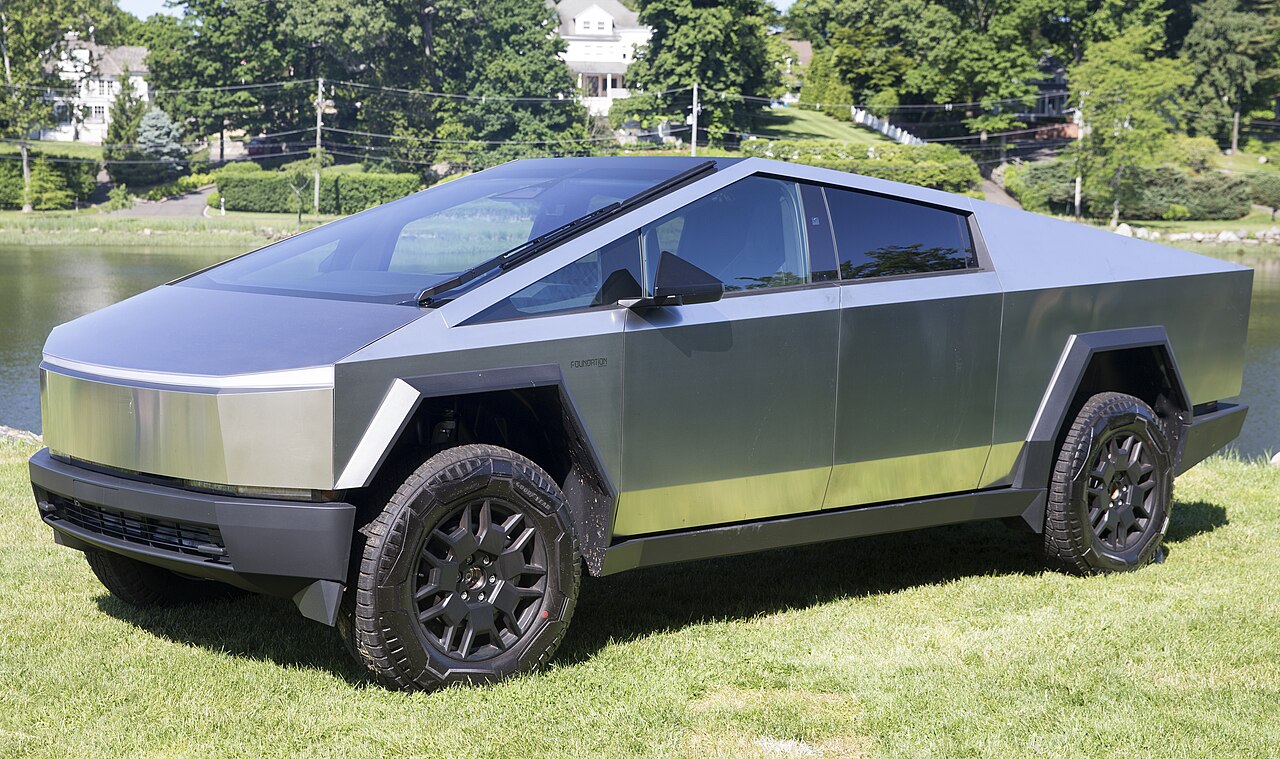
The Cybertruck flop reveals more about Tesla than electric pickups. This incident raises questions about the company’s direction and the viability of its innovative designs in a competitive market.
What Led to the Cybertruck Flop?
The recent launch of Tesla’s Cybertruck has sparked significant debate in the automotive industry, leading many to label it a potential Cybertruck flop. Several factors contributed to this disappointing reception, highlighting deeper issues within Tesla’s strategy and the electric vehicle market.
- Design Controversy: The Cybertruck’s unconventional and polarizing design has not resonated with all consumers. While some praise its futuristic aesthetic, others find it unappealing and impractical for everyday use.
- Production Delays: The vehicle has faced numerous production setbacks, leading to skepticism about Tesla’s ability to deliver on its promises. These delays have eroded consumer trust and contributed to a perception of unreliability.
- Market Competition: The electric pickup segment is becoming increasingly competitive, with traditional automakers rolling out their own electric trucks. This influx of options has made it challenging for Tesla to stand out in a crowded market.
- Pricing Strategy: The Cybertruck’s pricing has also been a point of contention. Many potential buyers feel that it does not offer enough value for its cost, especially when compared to more established truck models.
As the implications of the Cybertruck flop continue to unfold, it may serve as a crucial lesson for Tesla in navigating the evolving landscape of electric vehicles.
Tesla’s Strategy in the Electric Vehicle Market
Tesla’s strategy in the electric vehicle market has always been ambitious, aiming not just to sell cars but to revolutionize transportation. However, the recent Cybertruck flop raises questions about the company’s future direction and its ability to adapt to consumer demands.
Firstly, Tesla has focused heavily on innovation, often prioritizing cutting-edge technology over traditional design aesthetics. This approach has garnered a loyal following but may alienate potential buyers who prefer conventional looks in their vehicles. The Cybertruck, with its polarizing design, exemplifies this challenge.
Furthermore, Tesla has pursued a direct sales model, bypassing traditional dealerships. While this has allowed for greater control over pricing and customer experience, it has also limited exposure to buyers who prefer a hands-on approach when considering a vehicle purchase.
In addition, the company has faced significant competition as established automakers ramp up their electric vehicle offerings. Many are prioritizing consumer-friendly designs and features, which could appeal more to mainstream buyers than the futuristic Cybertruck.
Finally, Tesla’s production delays have been a significant hurdle. The inability to deliver vehicles on time can frustrate consumers and diminish trust in the brand. As the electric vehicle landscape evolves, Tesla must reassess its strategy to avoid further flops and remain a leader in the industry.
Comparing Electric Pickups: Tesla vs. Rivals
The electric pickup truck market is heating up, with several manufacturers vying for dominance. Tesla’s Cybertruck flop has raised questions about the company’s future in this competitive landscape. To understand the dynamics, it is essential to compare Tesla’s offering with its rivals.
- Ford F-150 Lightning: Ford has leveraged the legacy of its best-selling F-150 model to create a strong contender in the electric space. The Lightning features a familiar design but integrates advanced technology, appealing to both traditional truck enthusiasts and new electric vehicle buyers.
- Rivian R1T: Rivian’s R1T has made waves with its rugged design and impressive off-road capabilities. Targeted towards adventure seekers, it has already garnered significant interest, showcasing features like a built-in cooking station and a gear tunnel.
- Chevrolet Silverado EV: Chevy is banking on its Silverado brand to attract consumers. With a focus on performance and utility, the Silverado EV promises a robust range and quick charging times, positioning it as a serious competitor against Tesla.
As other manufacturers successfully launch electric pickups that resonate with consumers, the impact of the Cybertruck flop becomes even more pronounced. Tesla must adapt to this evolving market to maintain its relevance and leadership in the electric vehicle sector.
Consumer Reactions to the Cybertruck
Consumer reactions to the Cybertruck have been mixed, with many expressing skepticism about its design and functionality. While some early adopters are enthusiastic, others have labeled the vehicle a Cybertruck flop, questioning whether it aligns with mainstream consumer preferences.
Many consumers have taken to social media to voice their opinions, highlighting both the innovative aspects and the perceived shortcomings of the Cybertruck. Key reactions include:
- Design Concerns: The angular, futuristic design has polarized opinions, with some praising its uniqueness and others calling it impractical.
- Performance Expectations: Consumers are eager to see how the Cybertruck performs in real-world conditions, especially when compared to traditional pickups.
- Pricing Issues: Some potential buyers feel that the starting price may be too high for the features offered.
- Brand Loyalty: While Tesla has a strong following, some loyal customers are hesitant to embrace the Cybertruck due to its unconventional aesthetics.
As the market continues to evolve, consumer feedback will play a crucial role in shaping the future of Tesla and its electric vehicle lineup. The Cybertruck’s reception may ultimately serve as a bellwether for Tesla’s direction in a competitive landscape.
Future Prospects for Tesla’s Innovations
The recent Cybertruck flop has raised questions about the future of Tesla’s innovations and the company’s ability to adapt in a rapidly changing automotive landscape. Despite the initial hype surrounding the Cybertruck’s launch, the reality of its market performance has prompted a reevaluation of Tesla’s strategies moving forward.
As Tesla continues to focus on expanding its electric vehicle lineup, several key factors could influence the company’s prospects:
- Technological Advancements: Tesla has consistently been at the forefront of electric vehicle technology. Ongoing innovations, such as improved battery efficiency and autonomous driving capabilities, could enhance the appeal of future models.
- Market Adaptability: The ability to pivot and respond to consumer feedback will be crucial. Tesla’s response to the Cybertruck’s shortcomings may dictate its success in upcoming releases.
- Competition: With traditional automakers entering the electric pickup market, Tesla must differentiate itself. Understanding the competitive landscape will be vital for maintaining its market share.
- Sustainability Initiatives: As consumers increasingly prioritize sustainability, Tesla’s commitment to eco-friendly practices may resonate with buyers seeking responsible choices.
Ultimately, while the Cybertruck flop has posed challenges, it also represents an opportunity for Tesla to recalibrate its approach and continue its journey as a leader in electric vehicle innovation.
The Cybertruck flop has raised questions about Tesla’s ability to innovate in a competitive market. As analysts examine the implications of the Cybertruck flop, many are left wondering what it means for the company’s future growth and strategy.
via Wikimedia Commons