
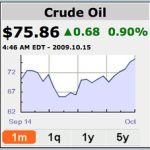



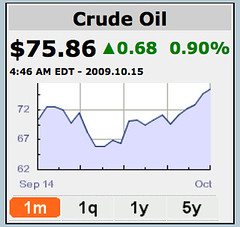
oil prices rise as concerns grow over the potential escalation of conflict in the Middle East. This situation is causing ripples across global markets and affecting consumers worldwide.
Understanding the Causes of Rising Oil Prices
The recent surge in oil prices can be attributed to several complex factors. Understanding these causes is essential for consumers and businesses alike.
- Geopolitical Tensions: Rising concerns over potential conflicts in the Middle East have heightened fears of supply disruptions. Such tensions often lead to increased speculation in oil markets.
- Supply Chain Issues: Ongoing challenges in global supply chains, exacerbated by previous pandemic-related disruptions, continue to affect oil production and distribution.
- Demand Recovery: As economies recover from the effects of COVID-19, the demand for energy has surged significantly, putting more pressure on already strained supplies.
- OPEC+ Decisions: The Organization of the Petroleum Exporting Countries (OPEC) and its allies play a crucial role in regulating oil production. Recent decisions to cut output have contributed to rising prices.
As oil prices rise, consumers may face higher costs for gasoline, heating, and goods that rely on oil for production and transportation.
Impact of Middle East Tensions on Global Oil Supply
The recent escalation of tensions in the Middle East has led to a notable increase in global oil prices. As conflicts arise, concerns about supply disruptions become more pronounced, driving prices higher. The region is a critical hub for oil production, and any instability can have profound effects.
Several factors contribute to the impact of these tensions on oil supply:
- Production Disruptions: If conflicts escalate, oil production facilities may be forced to shut down, leading to reduced output and increased prices.
- Transportation Risks: Key shipping routes, such as the Strait of Hormuz, could be threatened, raising fears of supply shortages, which further drives up costs.
- Market Speculation: Traders may react to geopolitical events by speculating on future shortages, further contributing to rising oil prices.
As oil prices rise, consumers may experience higher costs at the pump, affecting not just individual budgets but also broader economic stability.
How Oil Prices Rise Affect Consumers
The recent surge in oil prices rise has significant implications for consumers across the globe. As prices climb, individuals may notice immediate effects on their daily expenses. A few key areas of impact include:
- Fuel Costs: The most direct effect is seen at the gas pump. Higher oil prices typically lead to increased gasoline prices, which can strain household budgets.
- Transportation Expenses: With rising fuel costs, public transportation fares may also increase as service providers adjust to maintain profitability.
- Food Prices: Transportation costs for goods, including food, are likely to rise, pushing grocery prices higher and impacting overall consumer spending.
- Heating and Electricity Bills: For many, oil is a primary source of heating. Rising oil prices can lead to higher energy bills, particularly in colder months.
As oil prices rise, consumers need to prepare for these potential increases in living costs, which can affect both short-term budgets and long-term financial planning.
Expert Opinions on Future Oil Price Trends
As oil prices rise amidst escalating tensions in the Middle East, experts weigh in on the future trends and potential impacts on the global economy. According to Dr. Emily Carter, an energy economist, “The current geopolitical climate is likely to keep oil prices elevated in the short term. Supply disruptions could fuel further increases, especially if conflicts escalate.”
Many analysts agree that consumer behavior may change as prices rise. John Roberts, a market analyst, states, “Higher oil prices can lead to increased transportation costs, which may eventually be passed down to consumers in the form of higher prices for goods.”
Moreover, the long-term outlook remains uncertain. Several factors could influence future oil prices, including:
- Global demand recovery post-pandemic
- Shifts towards renewable energy sources
- Potential policy changes from major oil-producing countries
As the situation evolves, staying informed will be crucial for consumers and businesses alike.
Strategies for Dealing with High Fuel Costs
As oil prices rise, consumers and businesses are feeling the pinch at the pump and beyond. Adapting to these higher fuel costs is essential for maintaining financial stability. Here are some strategies to consider:
- Carpooling or Public Transport: Sharing rides or using public transportation can significantly reduce individual fuel expenses.
- Fuel-Efficient Vehicles: Investing in a car that offers better mileage can help save money in the long run.
- Regular Vehicle Maintenance: Keeping your vehicle in top shape can optimize fuel efficiency and reduce costs.
- Budgeting for Fuel Costs: Adjusting your monthly budget to account for rising oil prices can alleviate financial strain.
- Alternative Energy Options: Exploring electric vehicles or hybrid options may be a viable long-term solution.
By implementing these strategies, individuals and families can better navigate the challenges posed by rising oil prices and mitigate their impact on daily life.
As oil prices rise, consumers may notice an increase in transportation costs, leading to higher prices for goods and services. Additionally, when oil prices rise, it can significantly impact the overall economy, affecting everything from inflation rates to job growth.
By Stacy Herbert via Openverse