








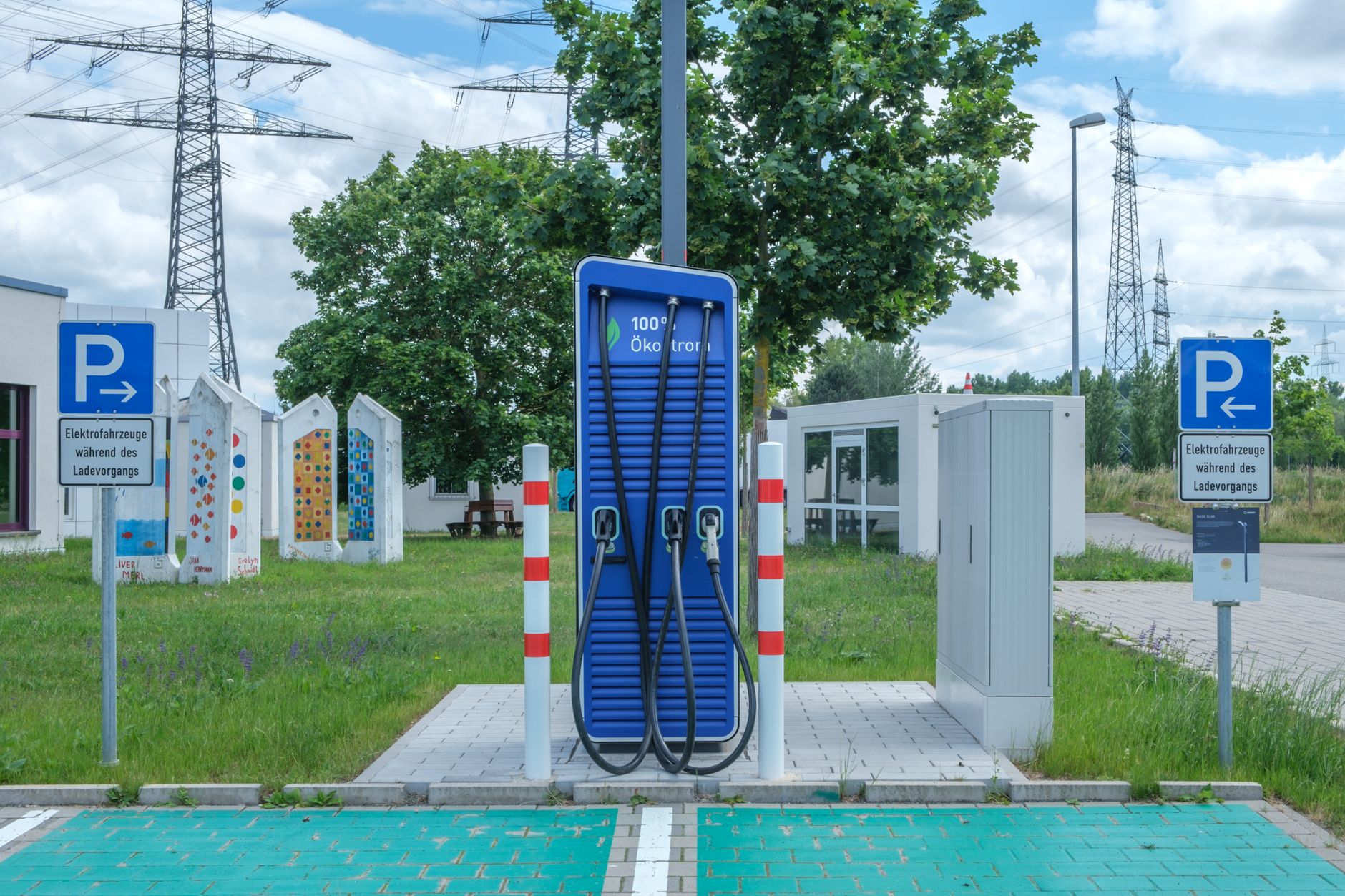
Public electric car chargers have been launched by Eskom in two large South African malls, marking a significant step towards electric vehicle adoption in the region.
Introduction to Public Electric Car Chargers
As the world shifts towards greener alternatives, public electric car chargers are becoming an essential component of urban infrastructure. With the increasing number of electric vehicles (EVs) on the roads, the demand for accessible charging solutions is rapidly growing. Recently, Eskom launched its first public electric car chargers in two large South African malls, marking a significant step in promoting EV adoption in the region.
These chargers not only provide convenience for EV owners but also encourage potential buyers to consider electric vehicles as a viable option. The availability of public electric car chargers can alleviate concerns about range anxiety, allowing drivers to recharge their vehicles while shopping or dining.
However, the question remains: are public chargers the best option for you? To make an informed decision, consider the following factors:
- Charging speed: Different chargers offer varying speeds, affecting how quickly you can get back on the road.
- Location: Proximity to your regular routes and destinations is crucial for convenience.
- Cost: Some public chargers may charge fees, impacting your overall expenses.
Understanding these elements will help you determine if public electric car chargers meet your needs.
Eskom’s Initiative Explained
Eskom, South Africa’s state-owned electricity supplier, has taken a significant step towards promoting electric vehicle (EV) usage by launching its first public electric car chargers in two major malls. This initiative aims to address the growing demand for accessible charging solutions as more drivers transition to electric vehicles. By placing chargers in high-traffic locations, Eskom hopes to alleviate range anxiety and encourage the adoption of EVs across the country.
The initiative is part of a broader strategy to enhance the electric vehicle ecosystem and reduce carbon emissions. With the installation of these public electric car chargers, Eskom is not only providing convenience for EV owners but also contributing to a sustainable future. The chargers are designed to accommodate various models, ensuring compatibility with most electric vehicles on the market.
Moreover, this initiative is expected to stimulate the local economy by attracting more shoppers to the malls while their vehicles charge. As the network of public electric car chargers expands, it could potentially transform the landscape of transportation in South Africa, making electric vehicles a more viable option for everyday users.
Benefits of Public Charging Stations
Public electric car chargers are becoming an increasingly popular option for electric vehicle (EV) owners, offering several benefits that enhance the driving experience. One of the primary advantages is convenience. With chargers located in easily accessible areas such as shopping malls, drivers can recharge their vehicles while running errands or enjoying leisure activities.
Another significant benefit is the potential for cost savings. Many public charging stations offer competitive rates compared to home charging, especially for drivers who may not have access to a dedicated charging setup at home. Additionally, some stations provide free charging options, creating even more savings for EV owners.
Environmental impact is also a crucial consideration. By using public electric car chargers, drivers contribute to a reduction in greenhouse gas emissions, as many of these chargers are powered by renewable energy sources. This aligns with the global push for sustainable transportation solutions.
Lastly, the growing network of public electric car chargers enhances the overall accessibility of EVs, making it easier for more people to consider switching from traditional gasoline vehicles to electric alternatives.
Where to Find These Chargers
Finding public electric car chargers has become increasingly straightforward, especially with the recent initiatives by companies like Eskom. These chargers can typically be located in various high-traffic areas to accommodate electric vehicle (EV) owners.
Here are some common locations where you can find public electric car chargers:
- Shopping Malls: Many large malls, such as those recently equipped by Eskom, now feature dedicated charging spots, making it convenient for shoppers to charge their vehicles while they shop.
- Parks and Recreational Areas: Some public parks have installed charging stations to encourage environmentally friendly practices among visitors.
- Parking Garages: Urban areas often include charging stations in their parking facilities, allowing city dwellers easy access to charging while parked.
- Highway Rest Areas: Long-distance travelers can find public electric car chargers at rest stops along major highways, making road trips easier for EV owners.
With the growing network of public electric car chargers, it is becoming more feasible for EV drivers to stay charged and mobile without the worry of running out of power.
Impact on Electric Vehicle Adoption
The introduction of public electric car chargers is significantly impacting the adoption of electric vehicles (EVs). As more charging stations become available, consumers are increasingly considering EVs as a viable option for their transportation needs. The convenience of charging at public locations, such as malls and shopping centers, alleviates range anxiety, a common concern among potential electric car buyers.
Public electric car chargers foster greater confidence in electric vehicle ownership, making it easier for individuals to transition from traditional combustion-engine vehicles. This shift not only contributes to a reduction in greenhouse gas emissions but also supports the growth of a sustainable energy ecosystem.
Moreover, the presence of these chargers encourages businesses to invest in electric vehicle technology, thereby stimulating the market. With government support and initiatives like those from Eskom, an increasing number of drivers can access necessary charging infrastructure, further promoting the widespread adoption of EVs.
In summary, the rise of public electric car chargers plays a critical role in shaping consumer attitudes towards electric vehicles, paving the way for a cleaner and more sustainable future in transportation.
User Experience with New Chargers
As the availability of public electric car chargers increases, users are starting to share their experiences with these new charging stations. Many drivers appreciate the convenience of having access to charging points in popular locations, such as malls and shopping centers. This accessibility allows for quick top-ups while they run errands or enjoy a meal.
However, the user experience can vary significantly based on the charger’s location and the technology it employs. Some users report long wait times during peak hours, especially in busy urban areas. Others have noted that charging speeds can differ, with some stations providing a rapid charge while others offer slower alternatives. This inconsistency can impact travel plans, particularly for those on longer journeys.
Additionally, the ease of using public electric car chargers tends to influence overall satisfaction. Many appreciate user-friendly interfaces and clear instructions, which facilitate a smooth charging process. To help potential users navigate their options, it is essential to consider factors such as:
- Location convenience
- Charging speed
- User interface
- Availability during peak times
Ultimately, understanding these aspects can enhance the experience for electric vehicle owners looking to utilize public charging options.
Future of Electric Car Infrastructure
The future of electric car infrastructure is evolving rapidly, with public electric car chargers playing a pivotal role in this transformation. As more consumers shift towards electric vehicles (EVs), the demand for accessible charging solutions continues to grow. This transition is not just about convenience; it’s also about creating a sustainable environment and reducing carbon emissions.
With significant investments from both public and private sectors, the expansion of charging networks is expected to accelerate. This includes not only traditional charging stations but also innovative solutions such as fast chargers and wireless charging options. These advancements aim to enhance the user experience and make it easier for drivers to recharge their vehicles.
Moreover, partnerships between utility companies, like Eskom, and local businesses are crucial to developing a robust infrastructure. By installing public electric car chargers in strategic locations, these collaborations can address range anxiety, one of the major barriers to EV adoption.
Looking ahead, as technology improves and charging becomes more ubiquitous, the practicality of owning an electric car is likely to increase, making it a viable option for a broader audience.
Photo by Reinhard Bruckner on Pexels