








Vulcan rocket failure has sent shockwaves through the aerospace community, impacting SpaceX competitors significantly. This incident raises questions about the reliability of new rocket technologies.
Overview of the Vulcan rocket launch
The recent launch of the Vulcan rocket has ended in failure, marking a significant setback for SpaceX competitors. This incident highlights the challenges faced by companies striving to establish themselves in the competitive space industry.
The Vulcan rocket, developed by United Launch Alliance (ULA), was intended to demonstrate advanced capabilities and reliability. However, shortly after liftoff, the mission encountered critical issues that led to its abrupt termination. This failure raises questions about the rocket’s technology and ULA’s future launches.
Key elements surrounding the Vulcan rocket failure include:
- Technical challenges: The complexities of new rocket systems.
- Financial implications: Potential losses for ULA and its partners.
- Market impact: Increased pressure on competitors like Blue Origin and Rocket Lab.
As the space race intensifies, this setback poses a significant challenge for those looking to rival SpaceX.
Impact on SpaceX and its competitors
The recent Vulcan rocket failure has sent shockwaves through the aerospace industry, particularly impacting SpaceX’s competitors. With this setback, many companies have been forced to reassess their strategies and timelines for upcoming launches.
Some key implications include:
- Increased pressure on competitors: The failure may slow down the progress of rivals like Blue Origin and United Launch Alliance, as they navigate the fallout.
- Investor confidence: Investors might become hesitant to fund companies that rely on similar technologies, fearing further setbacks.
- Opportunities for SpaceX: As competitors regroup, SpaceX could potentially capture a larger share of the market, reinforcing its dominance in commercial space launches.
As the industry reflects on the Vulcan rocket failure, the competition landscape may shift significantly in favor of SpaceX.
Technical analysis of the failure
The recent Vulcan rocket failure during its inaugural launch has raised significant concerns among aerospace experts. Technical analysis of the incident reveals several critical factors that contributed to the setback.
Key points of interest include:
- Engine performance: Initial assessments indicate that the rocket’s engines did not achieve optimal thrust levels, leading to premature shutdown.
- Flight trajectory: The trajectory deviations observed during ascent suggest potential issues with the guidance systems.
- Payload integration: Complications during payload integration may have also played a role, impacting the rocket’s overall stability.
This Vulcan rocket failure not only sets back its development timeline but also poses a challenge for competitors seeking to capitalize on the gap left in the commercial launch market.
Response from the aerospace community
The aerospace community reacted swiftly to the Vulcan rocket failure, expressing concerns over the implications for future launches. Many industry experts highlighted the setback as a significant hurdle for competitors of SpaceX, which has dominated the commercial space sector.
In a statement, one prominent aerospace analyst noted, “This failure underscores the challenges of rocket development and the high stakes involved.”
Several companies involved in the space race have started to reassess their timelines and strategies in light of this incident. Key points raised include:
- The need for rigorous testing protocols.
- Potential delays in upcoming missions.
- The importance of learning from failures to innovate further.
As the community processes this event, there is a consensus that the road ahead will require resilience and adaptability.
Future of rocket launches after this incident
The recent Vulcan rocket failure has raised significant concerns about the future of rocket launches and the competitive landscape of the aerospace industry. Experts are now questioning the reliability of new launch systems and their ability to meet growing demands for satellite deployment and space exploration.
Several key factors are emerging as the industry navigates the aftermath of this setback:
- Increased scrutiny: Regulatory bodies may impose stricter guidelines for future launches.
- Investment hesitations: Potential investors might reconsider funding for new rocket programs.
- Innovation pressure: Companies will need to enhance their technology to regain public confidence.
As the aerospace community assesses the implications of the Vulcan rocket failure, it is clear that the path forward will require collaboration and a renewed focus on safety and reliability.
Lessons learned from the Vulcan rocket failure
The recent Vulcan rocket failure has provided the aerospace industry with critical insights that could shape future launches. Experts emphasize the importance of rigorous pre-launch testing to identify potential issues early in the process. Key lessons include:
- Enhanced systems checks: Comprehensive evaluations of all rocket components prior to launch can help mitigate risks.
- Collaboration and communication: Encouraging teamwork between engineers and technicians may lead to quicker identification of anomalies.
- Data analysis: Utilizing data from previous flights can inform better decision-making and design improvements.
- Resilience planning: Developing contingency plans for potential failures will be crucial as companies strive for reliability in future missions.
Ultimately, the Vulcan rocket failure serves as a reminder that advancements in technology must be matched by thorough preparation and adaptive strategies.
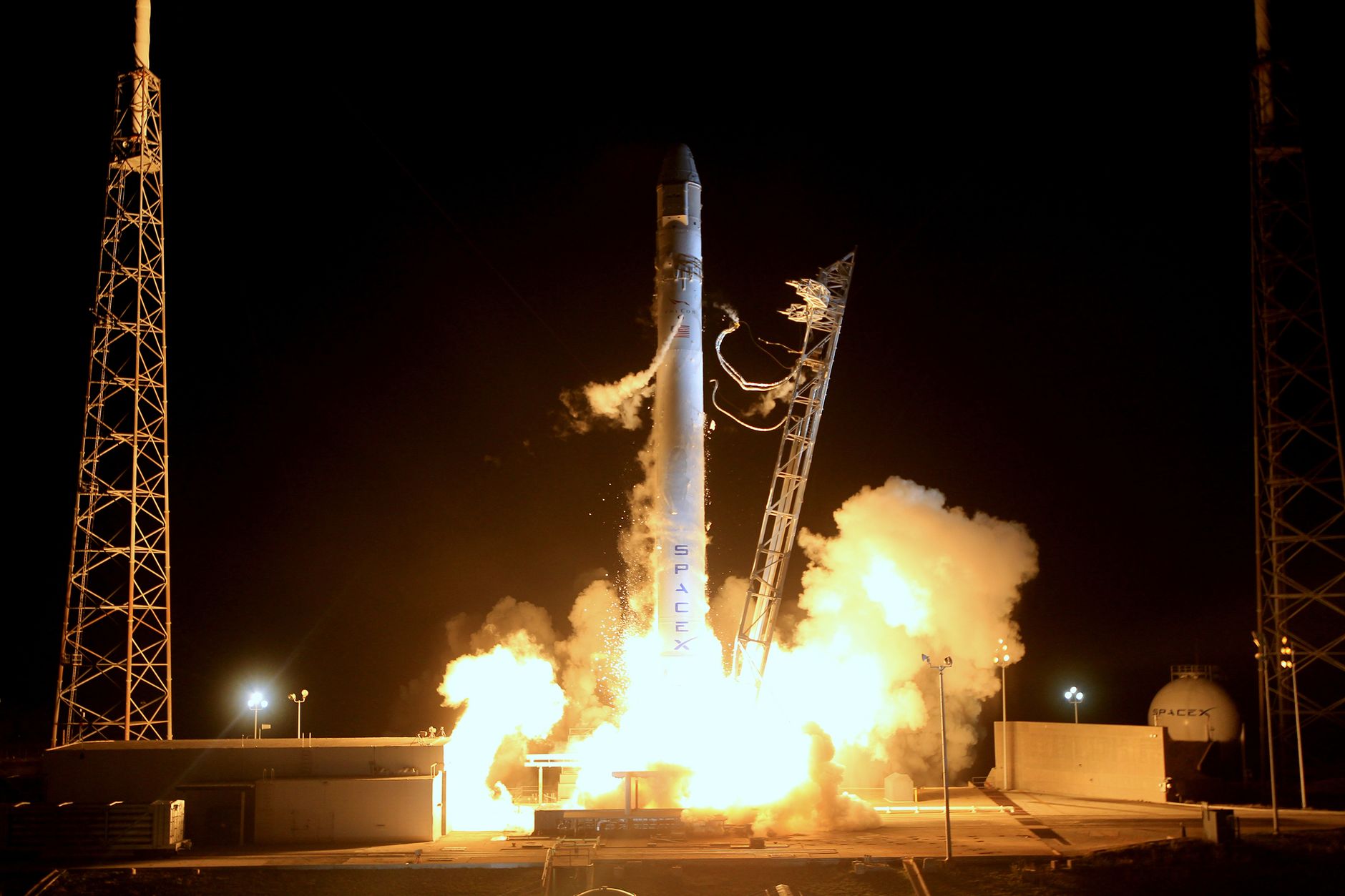
Photo by SpaceX on Pexels