







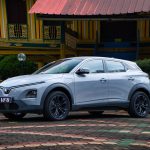


Waymo driverless cars are currently undergoing tests in Charlotte, demonstrating advancements in autonomous vehicle technology. This initiative highlights the company’s commitment to safety and innovation in the auto industry.
Overview of Waymo’s Testing in Charlotte
Waymo has recently expanded its testing of driverless cars to the city of Charlotte, marking a significant step in the development of autonomous vehicle technology. The company, known for its cutting-edge innovations, aims to assess the performance and safety of its self-driving cars in diverse urban environments.
The testing phase in Charlotte is particularly crucial as it allows Waymo to gather valuable data and insights on how its vehicles interact with local traffic patterns and infrastructure. Key aspects of the testing process include:
- Data Collection: Waymo vehicles are equipped with advanced sensors and cameras to collect real-time data as they navigate the city.
- Safety Protocols: Each test is conducted under strict safety guidelines to ensure the well-being of both passengers and pedestrians.
- Public Engagement: Waymo is committed to keeping the community informed about its testing efforts and addressing any concerns.
While no official launch date for commercial operations has been announced, the ongoing testing of Waymo driverless cars in Charlotte signifies a promising future for autonomous transportation in urban areas.
The Future of Driverless Cars
The future of driverless cars looks promising, especially with innovations from companies like Waymo. As cities explore the integration of autonomous vehicles, the potential for safer and more efficient transportation systems becomes increasingly apparent.
Waymo driverless cars are at the forefront of this revolution, utilizing advanced technology to navigate urban environments with minimal human intervention. The ongoing testing in Charlotte highlights the company’s commitment to ensuring safety and reliability before a broader rollout.
Experts suggest that the widespread adoption of driverless cars could lead to significant changes in urban planning and traffic management. Some potential benefits include:
- Reduced traffic congestion: With optimized routing and fewer accidents, traffic flow can improve.
- Lower accident rates: Autonomous vehicles are designed to follow traffic laws and react quickly to hazards.
- Increased mobility: Driverless cars can provide transportation options for those unable to drive, such as the elderly and disabled.
As testing continues, the implications of driverless technology will become clearer, paving the way for a transformative shift in how we view transportation.
Safety Measures Implemented by Waymo
Waymo has implemented a series of stringent safety measures to ensure the secure testing of their driverless cars in Charlotte. The company understands that public trust is crucial for the acceptance of autonomous vehicles, and as such, they have prioritized safety in their operations.
Key safety measures include:
- Advanced Sensor Technology: Waymo’s vehicles are equipped with cutting-edge sensors that provide 360-degree awareness, allowing them to detect pedestrians, cyclists, and other vehicles in real-time.
- Comprehensive Testing Procedures: Before any public testing, the cars undergo extensive simulations and closed-course testing to refine their algorithms and ensure reliability.
- Human Backup Operators: Each driverless car in Charlotte operates with a trained safety driver who can take control if necessary, adding an extra layer of security during tests.
- Real-Time Monitoring: Waymo continuously monitors the performance of its vehicles, analyzing data to identify any potential issues that may arise during testing.
These initiatives reflect Waymo’s commitment to safety and its goal of paving the way for a successful future of driverless cars.
Public Reception of Autonomous Vehicles
The public reception of autonomous vehicles, particularly Waymo driverless cars, has been a topic of considerable discussion in Charlotte. As residents observe the testing of these vehicles on their streets, opinions vary widely.
Some locals express excitement about the potential benefits of driverless technology, highlighting the promise of reduced traffic accidents and increased mobility for those unable to drive. A Charlotte resident noted, “It’s amazing to see how far technology has come. I look forward to a future where my kids can get around safely without needing me to drive them.”
However, not everyone shares this enthusiasm. Concerns about safety and the reliability of the technology persist. A few residents voiced skepticism, stating that they worry about the unpredictability of a fully autonomous vehicle in busy urban environments. One individual remarked, “I’m not sure I’m ready to trust a car that drives itself. There are too many variables on the road.”
Amid these mixed reactions, community discussions continue, reflecting the broader national conversation on the integration of autonomous vehicles into daily life.
Challenges Facing Driverless Car Technology
The advancement of Waymo driverless cars has not been without its challenges. As the technology evolves, several key issues must be addressed to ensure safety and public acceptance.
- Regulatory Hurdles: Navigating the complex web of regulations is a significant barrier. Each state has different laws governing autonomous vehicles, complicating testing and deployment.
- Public Perception: Many individuals remain skeptical about the safety of driverless cars. Concerns about accidents and technology reliability can hinder widespread acceptance.
- Technological Limitations: Despite significant advancements, driverless technology still struggles with particular scenarios, such as navigating complex urban environments or inclement weather conditions.
- Cybersecurity Risks: As vehicles become more connected, they also become more vulnerable to hacking and data breaches, raising concerns about safety and privacy.
- Infrastructure Challenges: The current road infrastructure may not be fully equipped to support autonomous driving, necessitating upgrades that require time and investment.
Addressing these challenges is crucial for the successful integration of Waymo driverless cars into everyday life.
What Other Cities Are Testing Driverless Cars?
As the landscape of autonomous vehicle technology evolves, several other cities are also testing driverless cars, each with unique approaches and regulations. Waymo driverless cars are just one part of a broader movement towards self-driving technology.
- San Francisco, California: Known as a testing ground for multiple autonomous vehicle companies, San Francisco has seen significant deployments of driverless cars, with rigorous assessments of safety and functionality.
- Phoenix, Arizona: Waymo has established a strong presence here, offering public rides in its autonomous vehicles and gathering valuable data on user interactions and urban challenges.
- Las Vegas, Nevada: The city has embraced autonomous technology, with various pilot programs allowing passengers to experience driverless rides on select routes.
- Detroit, Michigan: Home to the automotive industry, Detroit is focusing on integrating driverless cars within smart city initiatives, emphasizing connectivity and infrastructure.
These cities are not only enhancing their transportation systems but also contributing to the ongoing dialogue about the future of mobility and the role of technology in urban environments.
Waymo’s Vision for Urban Transportation
Waymo’s vision for urban transportation revolves around creating a seamless, efficient, and safe mobility experience for all residents. By integrating driverless cars into daily life, Waymo aims to reduce traffic congestion, lower carbon emissions, and enhance accessibility for individuals who may not be able to drive.
In Charlotte, the company is testing its innovative technology to better understand how Waymo driverless cars can coexist with traditional traffic systems. This initiative is part of a broader strategy to gather valuable data and improve the overall functionality of autonomous vehicles in diverse urban environments.
Key aspects of Waymo’s vision include:
- Accessibility: Providing transportation options for those without access to personal vehicles.
- Efficiency: Utilizing algorithms to optimize routes and reduce travel times.
- Sustainability: Promoting electric vehicles to minimize environmental impact.
- Safety: Ensuring that driverless cars adhere to stringent safety standards to build public trust.
By focusing on these elements, Waymo is paving the way for a future where urban transportation is not only advanced but also inclusive and environmentally responsible.
Conclusion on Waymo’s Testing Efforts
In conclusion, Waymo’s testing efforts in Charlotte represent a significant stride towards the integration of driverless cars into urban environments. As the company navigates the complexities of autonomous vehicle technology, it remains committed to ensuring safety and reliability. The extensive measures implemented, including rigorous safety protocols and community engagement, highlight Waymo’s dedication to fostering trust among residents.
The positive public reception, despite some initial skepticism, indicates a growing acceptance of driverless cars as a viable transportation option. However, the challenges that still lie ahead, such as regulatory hurdles and technological advancements, cannot be overlooked. Waymo’s vision for the future encompasses not only the deployment of autonomous vehicles but also a transformative approach to urban mobility.
As testing continues in Charlotte, it is clear that Waymo is positioning itself as a leader in the driverless car industry. The ongoing efforts to refine and enhance their technology will play a crucial role in shaping the future of transportation, potentially paving the way for wider adoption in cities across the nation.
Waymo driverless cars have been undergoing rigorous testing in various urban environments, and Charlotte is no exception. The results from these trials are promising, indicating that Waymo driverless cars can navigate complex traffic scenarios safely.
via Wikimedia Commons