

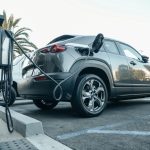






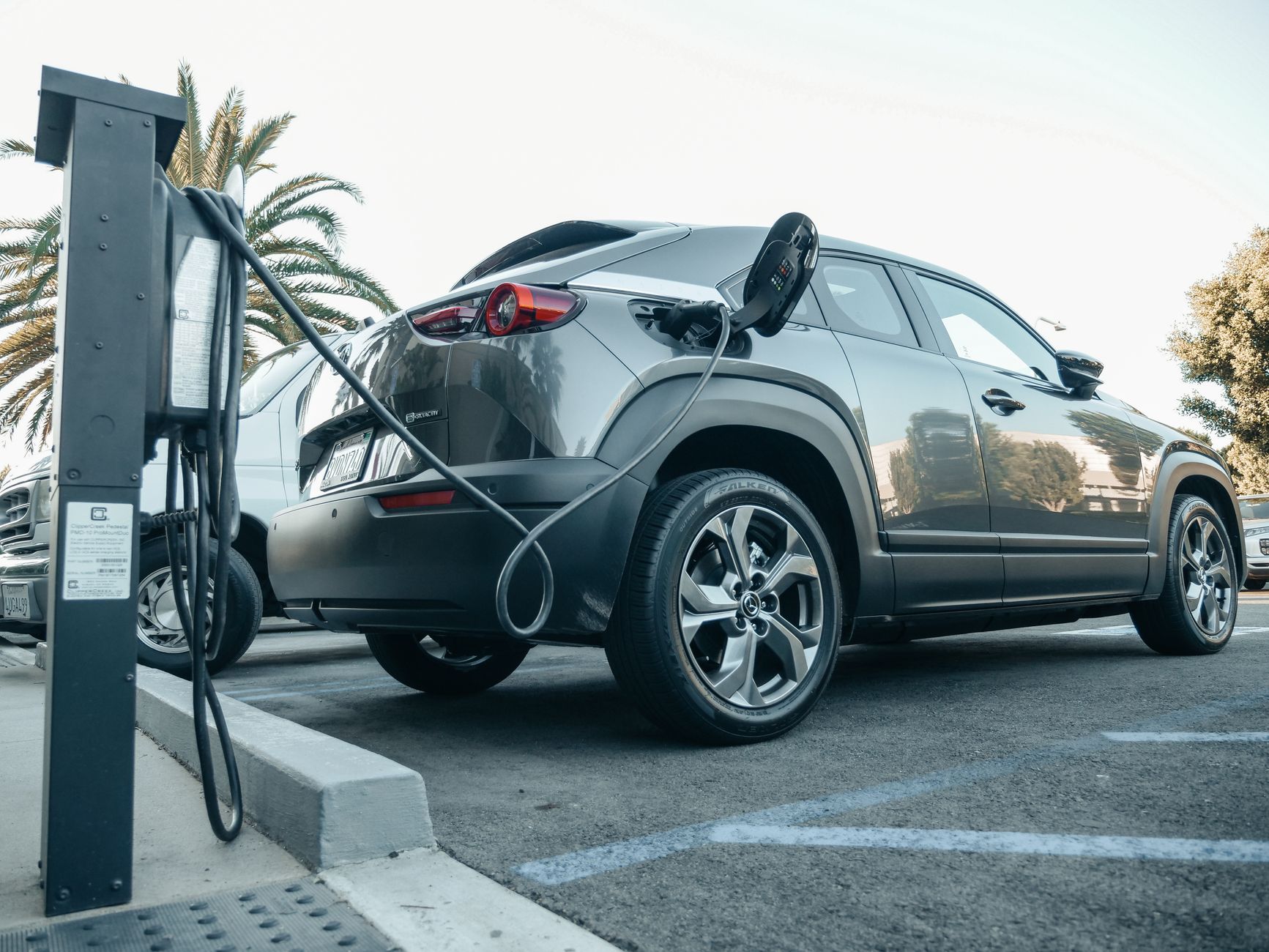
EV charging station costs are a major consideration for investors and businesses looking to enter the electric vehicle market. This article explores the feasibility study report, investment details, and business plan related to setting up charging stations.
Understanding EV Charging Station Costs
As the demand for electric vehicles (EVs) continues to grow, understanding EV charging station costs becomes essential for businesses considering installation. The costs associated with setting up an EV charging station can vary widely based on several factors.
Key components influencing overall expenses include:
- Site Preparation: The initial groundwork, such as electrical upgrades and construction, can significantly impact costs.
- Equipment Costs: The price of chargers varies, with Level 2 chargers generally being less expensive than fast chargers.
- Permitting and Regulations: Local regulations may require specific permits that can add to the overall investment.
- Installation Costs: Labor expenses for installing the charging infrastructure can also vary based on location and complexity.
- Operational Expenses (OpEx): Ongoing costs, such as electricity, maintenance, and software for managing the stations, must be factored into the business plan.
By conducting a thorough feasibility study, businesses can better understand these costs and determine the most suitable strategy for their EV charging station investments.
Key Factors in Setting Up Charging Stations
Establishing an EV charging station requires careful consideration of several key factors that significantly influence costs. Understanding these elements is crucial for a successful business plan.
- Location: The site chosen for the charging station impacts both initial setup and operational costs. High-traffic areas often come with higher real estate prices but can yield greater returns.
- Infrastructure: Existing electrical infrastructure plays a vital role. Upgrading power lines or transformers can increase setup costs, affecting overall EV charging station costs.
- Equipment: The type of chargers selected, whether Level 2 or DC fast chargers, will greatly influence the capital expenditure. Fast chargers are typically more expensive but offer quicker service.
- Permitting and Regulations: Navigating local regulations and obtaining necessary permits can add time and costs to the project. Compliance with zoning laws is essential for operational success.
- Maintenance: Ongoing maintenance costs should also be factored in, including software updates and hardware repairs.
Each of these factors must be analyzed to create a comprehensive and effective business plan for EV charging stations.
Investment Opportunities in EV Infrastructure
As the demand for electric vehicles (EVs) continues to rise, investment opportunities in EV infrastructure become increasingly attractive. Understanding the potential returns on EV charging station costs is essential for investors looking to capitalize on this growing market.
Several factors contribute to the viability of investing in EV charging stations:
- Government Incentives: Many governments offer tax credits and grants to promote the establishment of charging infrastructure, significantly reducing initial costs.
- Growing EV Adoption: With electric vehicle sales surging, the need for accessible charging stations is critical, ensuring a steady demand for services.
- Partnership Opportunities: Collaborating with businesses, municipalities, or energy providers can lower the financial burden and enhance service reach.
- Innovative Technology: Advances in charging technology can lead to more efficient stations, optimizing operational costs and increasing profitability.
Investors must conduct thorough feasibility studies to assess the CapEx and OpEx related to EV charging station costs. A well-structured business plan can provide a roadmap for success in this evolving industry.
Analyzing CapEx and OpEx for Charging Stations
When evaluating the feasibility of installing EV charging stations, it is essential to analyze both Capital Expenditure (CapEx) and Operational Expenditure (OpEx). These financial metrics provide a comprehensive understanding of the overall costs associated with establishing and maintaining charging infrastructure.
CapEx includes the initial investment required for:
- Site acquisition and preparation
- Charging equipment purchase and installation
- Permitting and regulatory compliance
These upfront costs can vary widely based on the location and the type of charging stations selected. For example, fast chargers typically have higher CapEx than standard Level 2 chargers, but they may attract more users due to shorter charging times.
On the other hand, OpEx comprises ongoing expenses necessary to operate the charging stations, such as:
- Electricity costs
- Maintenance and repairs
- Software and network management fees
Understanding both CapEx and OpEx is critical for a successful business plan, as it helps stakeholders evaluate the long-term viability and profitability of EV charging station costs.
Future Trends in EV Charging Solutions
The future of EV charging solutions is rapidly evolving, driven by technological advancements and increasing demand for electric vehicles. As the market expands, understanding EV charging station costs will be crucial for businesses looking to invest in this infrastructure.
One significant trend is the development of ultra-fast charging stations, which can significantly reduce charging time and enhance user convenience. These stations are expected to become more prevalent, prompting a shift in pricing models based on speed and accessibility.
Additionally, renewable energy integration is becoming a focal point in charging station setups. Solar-powered charging stations, for instance, not only reduce operational costs but also align with sustainability goals, attracting environmentally conscious consumers.
Moreover, innovations in payment systems, such as mobile apps and contactless payments, are set to enhance the customer experience while streamlining revenue collection for operators. This will likely lead to increased competition among providers, further influencing EV charging station costs.
As infrastructure develops, staying informed about these trends will help businesses adapt their strategies and capitalize on emerging opportunities in the EV charging landscape.
Understanding EV charging station costs is crucial for businesses looking to invest in sustainable infrastructure. By carefully analyzing these costs, companies can develop a clear business plan that maximizes their return on investment.
Photo by Kindel Media on Pexels