






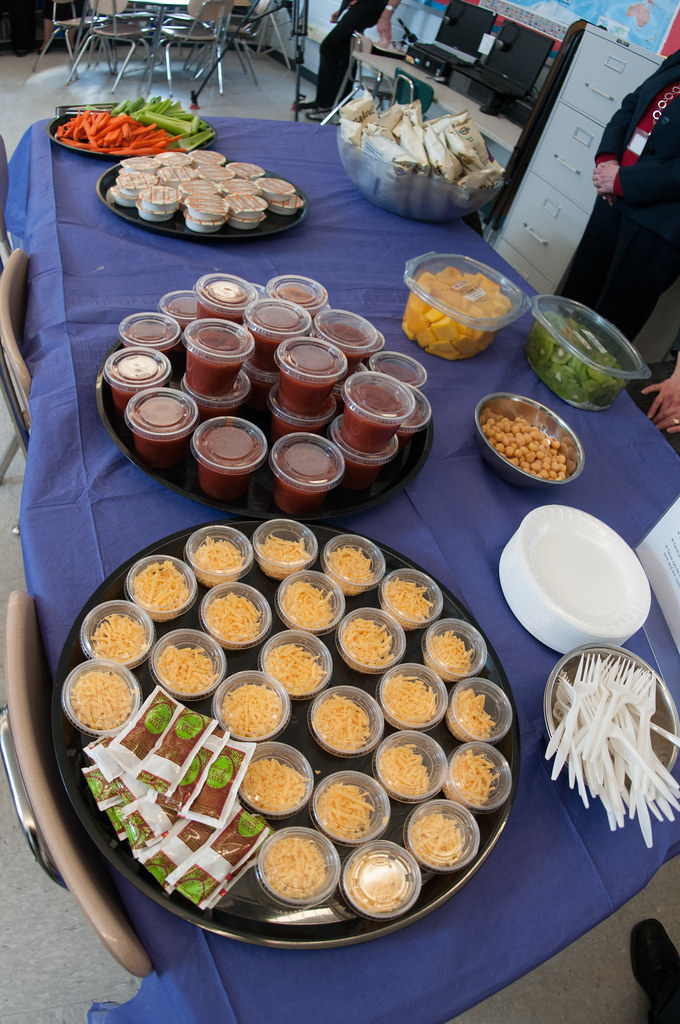
Food safety in the U.S. has come under scrutiny following a massive recall of over 167,000 pounds of meat. This incident raises important questions about the safety standards in our food supply.
Understanding the Recent Meat Recall
Recently, the U.S. faced a significant meat recall that has raised concerns about food safety in the U.S. Over 167,000 pounds of meat products were pulled from shelves due to potential contamination. The recall affects various types of meat, including beef and pork, which were distributed to multiple states.
This incident highlights the ongoing challenges within the food supply chain, emphasizing the importance of stringent safety measures. Consumers are advised to check their freezers for any recalled products and to follow safety guidelines when handling meat.
Key points regarding the recall include:
- Contamination Risk: The meat may be contaminated with harmful bacteria, posing serious health risks.
- Distribution: Affected products were shipped to grocery stores nationwide.
- Consumer Awareness: It’s crucial for consumers to stay informed about recalls to ensure their safety.
As food safety in the U.S. continues to be a pressing issue, it is vital for regulatory agencies to address these lapses effectively.
Impacts on Public Health
The recent meat recall has raised significant concerns regarding food safety in the U.S., particularly in relation to public health. When large quantities of meat are found to be contaminated, it poses a serious risk to consumers who may unknowingly purchase and consume these products.
The impacts on public health can be severe, leading to various foodborne illnesses. Some potential consequences include:
- Increased hospitalizations: Contaminated meat can cause conditions such as salmonella or E. coli infections, which may require medical intervention.
- Economic burden: Treating foodborne illnesses can impose significant costs on healthcare systems and individuals alike.
- Loss of consumer confidence: Recalls can lead to a decline in trust in the food supply, prompting consumers to question the safety of their meals.
Ultimately, the recall underscores the ongoing challenges related to maintaining high standards of food safety in the U.S. and the need for rigorous inspection processes.
What Consumers Should Know
As food safety in the U.S. continues to be a pressing concern, consumers must stay informed about the latest developments regarding meat recalls. The recent recall of over 167,000 pounds of meat highlights the importance of vigilance when it comes to food products.
Here are key points consumers should consider:
- Check Your Purchases: Review your recent meat purchases to ensure they are not part of the recall.
- Stay Updated: Follow updates from the U.S. Department of Agriculture (USDA) and the Food and Drug Administration (FDA) for timely information on food safety.
- Safe Handling: Always practice safe food handling and storage techniques to reduce the risk of contamination.
- Know Symptoms: Be aware of the symptoms of foodborne illness, which can include nausea, vomiting, and diarrhea.
By staying informed and cautious, consumers can help protect themselves and their families from potential health risks associated with food safety in the U.S.
Regulatory Standards in the U.S.
Regulatory standards in the U.S. play a crucial role in ensuring food safety, particularly in the meat industry. The U.S. Department of Agriculture (USDA) and the Food and Drug Administration (FDA) are the primary agencies responsible for overseeing the safety and quality of meat products. These agencies implement strict guidelines that manufacturers must follow to minimize the risk of contamination.
The USDA’s Food Safety and Inspection Service (FSIS) is particularly focused on meat and poultry, conducting regular inspections and enforcing regulations. These standards include proper handling, processing, and labeling practices to ensure that consumers receive safe products. Despite these regulations, challenges remain, as evidenced by the recent meat recall, which raised concerns about the effectiveness of monitoring systems.
As the state of food safety in the U.S. continues to evolve, it is essential for consumers to stay informed and advocate for stronger regulations to protect public health.
How to Stay Informed
Staying informed about food safety in the U.S. is essential for consumers who want to protect themselves and their families. Here are some effective ways to keep up with the latest developments:
- Follow Trusted Sources: Regularly check websites from reputable organizations such as the U.S. Department of Agriculture (USDA) and the Food and Drug Administration (FDA). These agencies offer updates on recalls and safety alerts.
- Subscribe to News Alerts: Sign up for email notifications or alerts from news outlets that focus on food safety issues. This will ensure you receive timely information about any recalls or concerns.
- Use Mobile Apps: Consider downloading mobile applications that provide real-time updates on food recalls and safety news. Many apps also help you track your purchased products.
- Engage on Social Media: Follow food safety organizations on social media platforms for quick updates and community discussions on food safety in the U.S.
Future of Food Safety Regulations
The future of food safety regulations in the U.S. is poised for significant changes, especially in light of recent events that have underscored vulnerabilities within the system. As consumers grow increasingly aware of the implications of food safety in the U.S., regulatory agencies are under pressure to enhance existing standards and practices.
Several key areas are expected to be prioritized:
- Strengthened Inspection Protocols: Enhanced inspections of meat processing facilities to prevent contamination.
- Improved Traceability: Implementation of more efficient tracking systems to quickly identify sources of contamination.
- Consumer Education: Increased efforts to educate the public on safe food handling and preparation practices.
- Collaboration with Industry: Engaging food producers in developing best practices to ensure compliance with safety standards.
As the landscape evolves, it is crucial for both regulators and consumers to stay vigilant and proactive in promoting food safety in the U.S.
Understanding the implications of this recall is crucial for improving food safety in the U.S. and preventing future incidents. Consumers must stay informed about food safety in the U.S. to protect themselves and their families.
By USDAgov via Openverse