






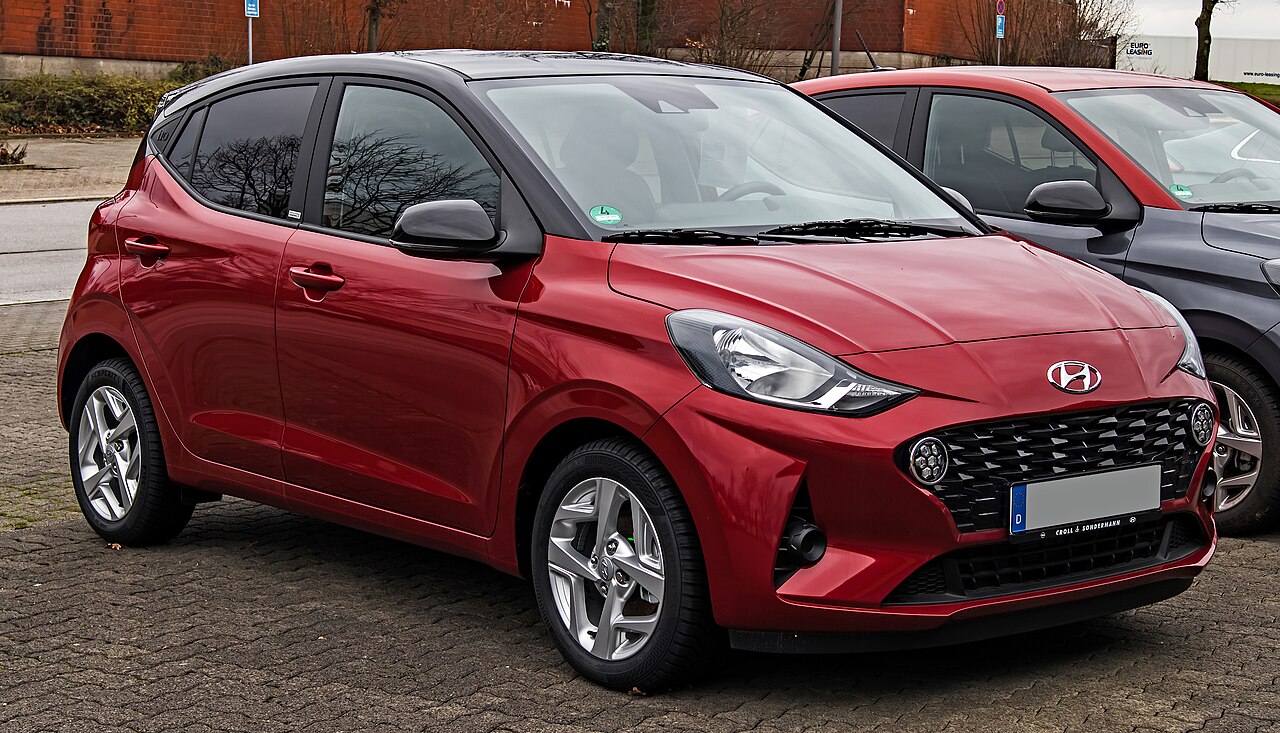
Next-Generation Hyundai i10 is on the way, promising enhancements that could redefine the compact car segment. Anticipation builds as enthusiasts await its launch next year.
What to Expect from the Next-Generation Hyundai i10
The upcoming Next-Generation Hyundai i10 is generating significant buzz among automotive enthusiasts and potential buyers alike. Set to launch next year, this compact car promises to deliver a blend of style, performance, and advanced technology that is expected to redefine the segment.
One of the most anticipated features of the Next-Generation Hyundai i10 is its enhanced fuel efficiency. With increasing concerns over environmental impacts and rising fuel prices, Hyundai aims to integrate more eco-friendly engines that do not compromise on power.
In addition to performance improvements, the new i10 is expected to come equipped with cutting-edge technology. Some notable features may include:
- Advanced infotainment system: A larger touchscreen display with seamless smartphone integration.
- Safety enhancements: An updated suite of driver-assistance features designed to improve overall safety.
- Modern interior: High-quality materials and a more spacious cabin layout for enhanced comfort.
Moreover, the design of the Next-Generation Hyundai i10 is expected to embrace a more contemporary and dynamic aesthetic, appealing to a younger audience looking for a stylish yet practical vehicle.
As the launch date approaches, many eagerly await further details and official specifications to see if the Next-Generation Hyundai i10 truly lives up to the expectations of being the best compact car in its class.
Key Features of the Upcoming Hyundai i10
The upcoming Next-Generation Hyundai i10 promises to bring a host of exciting features that cater to modern drivers’ needs. As Hyundai aims to enhance the driving experience, several key features stand out, making this compact car a strong contender in its segment.
- Improved Fuel Efficiency: The new model is expected to incorporate advanced engine technology, offering better mileage and lower emissions, which is essential for environmentally conscious consumers.
- Enhanced Safety Features: The Next-Generation Hyundai i10 will likely include an array of safety technologies, such as autonomous emergency braking, lane-keeping assist, and blind-spot monitoring, ensuring peace of mind for drivers and passengers alike.
- Upgraded Infotainment System: With a focus on connectivity, the car is anticipated to feature an intuitive infotainment system, complete with touchscreen functionality, smartphone integration, and premium audio options, enhancing the overall driving experience.
- Spacious Interior: Despite its compact size, the new i10 is rumored to offer a more spacious cabin, making it suitable for families and providing ample cargo space for everyday needs.
With these features and more, the Next-Generation Hyundai i10 is poised to redefine the compact car market, appealing to a wide range of consumers looking for efficiency, safety, and comfort.
Comparing the Current and Next-Generation Hyundai i10
The compact car segment has seen significant advancements over the years, and the comparison between the current and next-generation Hyundai i10 highlights this evolution. The current Hyundai i10 has been well-received for its practicality and value, but the upcoming model promises to take these strengths to a new level.
One of the most notable differences between the two generations is the design. The current Hyundai i10 features a straightforward and functional aesthetic, whereas the next-generation Hyundai i10 is expected to embrace a more dynamic and modern look, with sharper lines and an aggressive front fascia that aligns with Hyundai’s latest design language.
In terms of technology, the current model offers basic infotainment options, but the next-generation Hyundai i10 is likely to integrate advanced connectivity features. This includes improved multimedia systems, seamless smartphone integration, and enhanced driver assistance technologies that cater to the needs of a tech-savvy audience.
Performance is also set to see enhancements. While the current Hyundai i10 provides a reliable driving experience, the next generation is anticipated to introduce more efficient engines and possibly an electric variant, appealing to environmentally conscious consumers.
Overall, as we compare the two models, it becomes evident that the next-generation Hyundai i10 aims to redefine what a compact car can be, blending style, technology, and efficiency in an attractive package.
Why the Next-Generation Hyundai i10 Matters
The Next-Generation Hyundai i10 is poised to make waves in the compact car segment, and its significance cannot be overstated. As urban environments become increasingly congested, drivers are seeking vehicles that offer both efficiency and practicality. The i10 has long been a staple in Hyundai’s lineup, and the upcoming model is expected to elevate the brand’s reputation further.
One of the primary reasons the Next-Generation Hyundai i10 matters is its commitment to sustainability. With growing concerns over environmental impact, the new model is anticipated to incorporate eco-friendly technologies, making it an attractive choice for environmentally conscious consumers. Furthermore, this compact car is designed to maximize fuel efficiency, which aligns with the rising demand for economical vehicles.
Additionally, the i10’s compact size makes it ideal for navigating busy city streets, while still providing ample interior space for passengers and luggage. The next-generation model would likely feature advanced connectivity options and safety technologies that cater to modern drivers’ expectations.
Moreover, the competitive pricing of the Next-Generation Hyundai i10 could disrupt the compact car market, appealing to a broader audience. As the automotive industry evolves, this model could set new benchmarks for what consumers can expect from compact cars, making it a significant player in its category.
Expert Opinions on the Hyundai i10’s Future
Experts in the automotive industry have weighed in on the anticipated success of the Next-Generation Hyundai i10, highlighting several key factors that could influence its reception in the compact car market.
One of the most praised aspects is its design. Automotive journalist Mark Thompson notes, “The sleek lines and modern aesthetic of the i10 are likely to attract a younger demographic, which is crucial for Hyundai’s strategy moving forward.” Furthermore, he emphasizes the importance of sustainability, stating, “Hyundai’s commitment to eco-friendly materials in the interior will resonate with environmentally conscious consumers.”
Another expert, Sarah Lee, a market analyst, points out the significance of technological advancements. She explains, “The integration of advanced driver-assistance systems and smart connectivity features can set the Next-Generation Hyundai i10 apart from its competitors.” These innovations could enhance safety and convenience for drivers, making it a compelling option in a crowded market.
Industry insiders also believe that pricing will play a crucial role in the car’s success. “If Hyundai can maintain affordability while offering premium features, the next-generation i10 could dominate its segment,” says automotive strategist John Richards.
In summary, the expert consensus indicates that the Next-Generation Hyundai i10 is poised to make a significant impact, provided it delivers on its promises of style, technology, and value.
Release Date and Pricing for the New Hyundai i10
The anticipation surrounding the Next-Generation Hyundai i10 continues to grow as its release date approaches. According to industry insiders, the new model is expected to hit showrooms in early 2024, marking a significant upgrade for fans of this popular compact car. This timeline aligns with Hyundai’s strategy to refresh its lineup and offer customers the latest in automotive technology and design.
As for pricing, the Next-Generation Hyundai i10 is rumored to start at approximately $15,000, making it an attractive option for budget-conscious buyers seeking quality and innovation in a compact vehicle. The pricing structure aims to remain competitive within its segment, appealing to a wide range of consumers, from first-time car buyers to those looking for a reliable city car.
Some of the key features contributing to its value include:
- Advanced safety technology: Enhanced driver assistance systems.
- Improved fuel efficiency: More eco-friendly engine options.
- Modern interior design: Upgraded materials and infotainment systems.
With these developments, the Next-Generation Hyundai i10 is poised to redefine expectations in the compact car market, offering a blend of affordability and advanced features that could set new standards in its class.
How the Next-Generation Hyundai i10 Stacks Up Against Rivals
The Next-Generation Hyundai i10 is set to make waves in the compact car market, but how does it measure up against its rivals? With several competitors in the segment, including the Toyota Aygo, Volkswagen Up!, and the Kia Picanto, it’s crucial to analyze how the new model stacks up.
One of the key areas where the Next-Generation Hyundai i10 shines is technology. It promises advanced connectivity features, including a revamped infotainment system that integrates seamlessly with smartphones. This is a significant advantage over some rivals that still lag in this department.
In terms of performance, early reports suggest that the Next-Generation Hyundai i10 will offer a range of efficient engines, catering to both urban and highway driving. This flexibility positions it well against competitors that may not offer the same level of versatility.
On the safety front, the Next-Generation Hyundai i10 is expected to come equipped with the latest driver assistance systems, which is becoming a standard expectation in the compact car category. This is particularly important as consumers increasingly prioritize safety features when making purchasing decisions.
Finally, styling is always a consideration in the compact car market. The Next-Generation Hyundai i10 is rumored to feature a bold design that appeals to younger buyers, setting it apart from more conservatively styled competitors.
In summary, the Next-Generation Hyundai i10 holds promise in various aspects, making it a strong contender amid its rivals in the compact car arena.
via Wikimedia Commons